
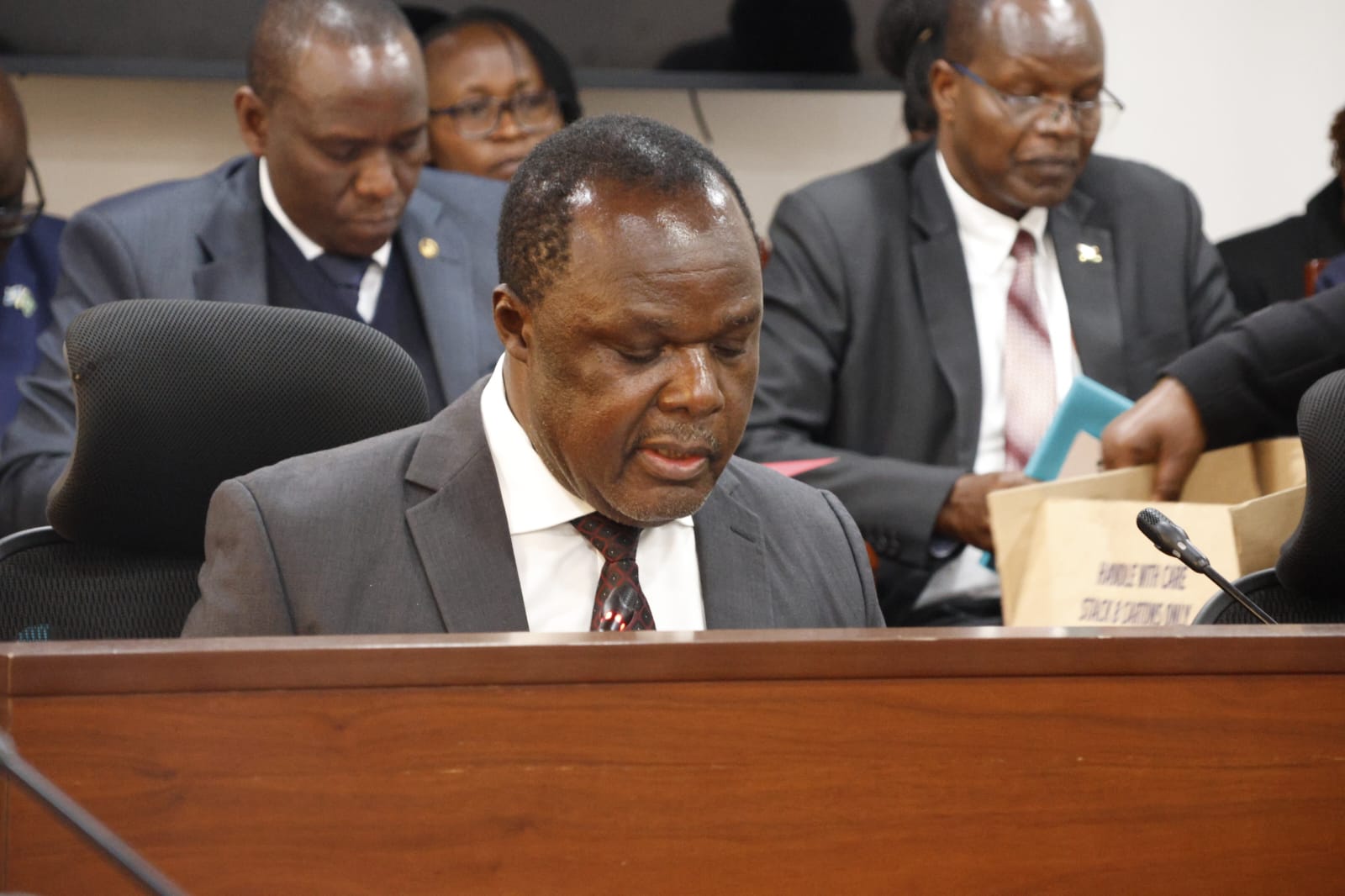
PS Mukhwana calls for seamlessly dissolution of State Agencies at Intellectual Property Bill Hearing
Principal Secretary for Industry Dr. Juma Mukhwana has called for a clear framework for the seamless dissolution and transition of State agencies to prevent duplication of functions and misuse of public resources.
Appearing before Ikolomani MP, Hon. Benard Shinali, led the Parliamentary Committee on Trade, Industry and Cooperatives to make submissions on the Kenya Intellectual Property Bill, 2026, the PS said the proposed legislation presents an opportunity to establish a stronger and more coordinated intellectual property regime.
Dr. Mukhwana said the Bill seeks to consolidate functions currently undertaken by several institutions under a proposed Kenya Intellectual Property Authority (KIPA), and urged Parliament to provide clear mechanisms for the dissolution and transition of the affected agencies.
He said such a framework would help prevent duplication of mandates while ensuring that public investments in human resources, infrastructure and institutional capacity are not lost during the transition.
The PS proposed that the Cabinet Secretary responsible for Trade and Industry should oversee intellectual property matters, noting that most intellectual property disputes have a strong trade dimension, particularly as ideas, innovations and cultural expressions are increasingly transformed into commercial products and services.
“The CS responsible for Trade and Industry should be in charge of intellectual property because most disputes are trade-related, and ideas are turned into tradeable goods that need protection,” he said.
Dr. Mukhwana noted that the Bill proposes to bring together various areas of intellectual property, including trademarks, geographical indications, traditional knowledge and cultural expressions, under a unified legal and institutional framework to be administered by KIPA.
He expressed confidence that the affected institutions have significant human and physical resources that can be retained within the new authority. He disclosed that a draft structure for the proposed institution is already being developed and is intended to accommodate the functions and personnel of the institutions being consolidated.
The PS assured the Committee that the transition would not result in job losses, saying all personnel would be absorbed into the new institution based on the emerging structure and functions.
“If there is one Bill that will take us to Singapore, then this is the Bill,” Dr. Mukhwana said, underscoring the potential of a strong intellectual property regime to support innovation, investment and economic transformation.
Members of the Committee also raised concerns over ongoing court cases involving some of the institutions targeted for consolidation, with the PS calling for State Department experts to provide Parliament with technical guidance and international best practices on managing such transitions.
The Committee further examined the role of emerging technologies, particularly Artificial Intelligence (AI), in intellectual property protection.
Hon. Samuel Parashina questioned how AI could be incorporated into the framework to protect traditional knowledge and cultural heritage, while the PS called for deeper consideration of the implications of AI and plagiarism.
Dr. Mukhwana challenged policymakers to rethink the question of ownership of works generated with the assistance of AI, asking who should be recognised as the owner of such work and how existing intellectual property principles can respond to the rapidly evolving technology.
He also stressed the need for cultural expressions to be adequately protected, noting that they are closely linked to individual and community identities.
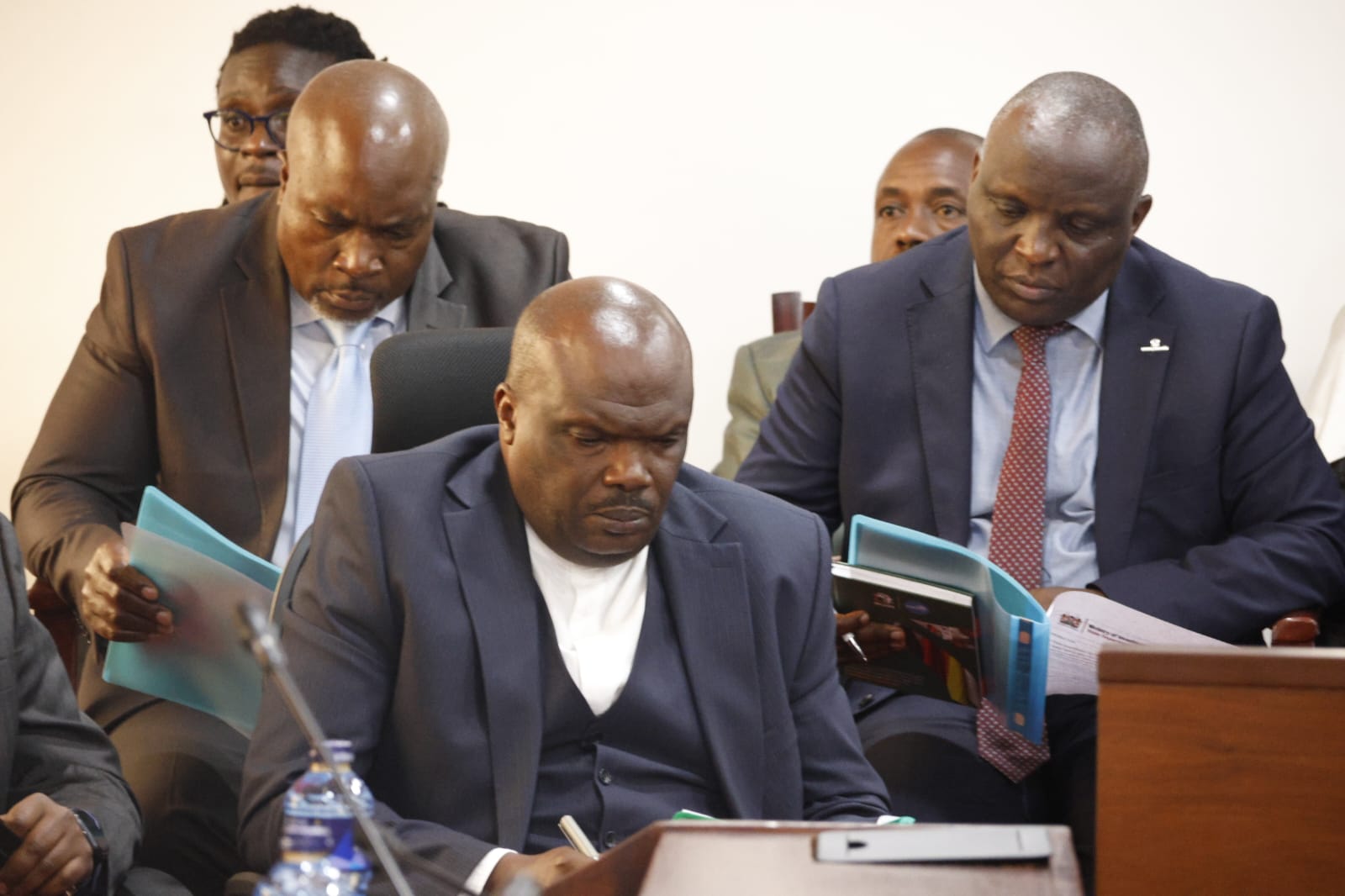
The PS further supported the establishment of an inclusive tribunal to handle intellectual property disputes, arguing that an effective dispute-resolution mechanism would strengthen confidence in the new framework.
He said Kenya's intellectual property system must be designed to protect innovation, traditional knowledge, cultural expressions and commercial ideas while creating an enabling environment for investment and economic growth.
Anti-Counterfeit Authority CEO Dr. Robi King'a stressed that the proposed Kenya Intellectual Property Bill should be strengthened by international treaties.