
Enhancing Kenya's Fertilizer Manufacturing
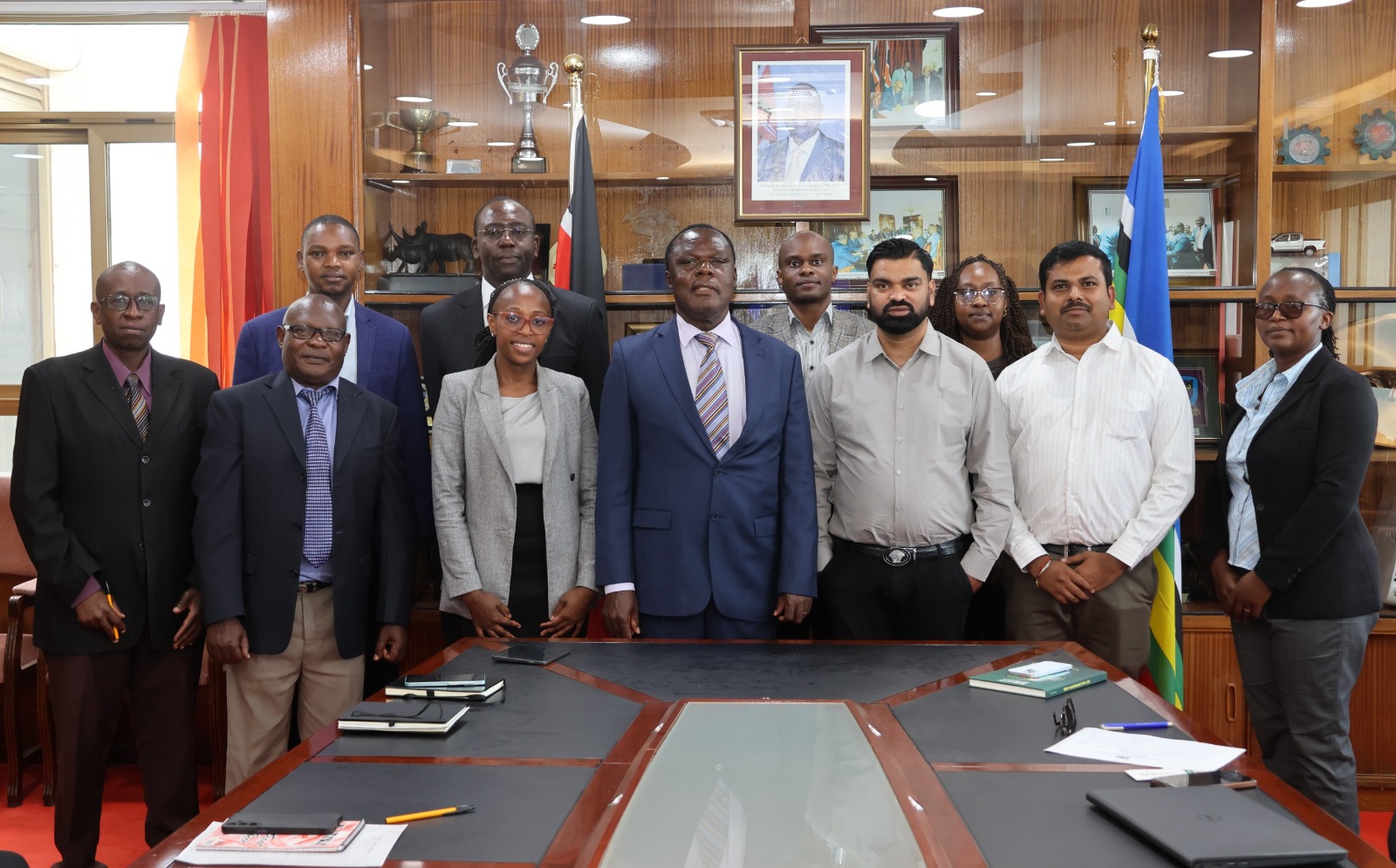
The Principal Secretary for Industry, Dr. Juma Mukhwana, held a meeting with officials from SBOF Africa Group to discuss the company’s intention to establish operations in Kenya. SBOF Africa Group is a diversified Indian conglomerate with significant experience in fertilizer manufacturing, with a combined production capacity of over 2,000 metric tonnes per day, and existing investments in Uganda. The company expressed interest in setting up an integrated agribusiness base in Kenya, covering fertilizer manufacturing, agritech, food processing, renewable energy, and pharmaceuticals, while leveraging Kenya’s strategic position as a gateway to the East African Community market.
SBOF outlined a proposed Phase One investment of approximately USD 85 million to establish fertilizer manufacturing facilities with an annual production capacity of 500,000 metric tonnes, focusing on NPK, organo-mineral, and bio-enriched fertilizers, alongside crop protection solutions. The investment would require 20–40 hectares of land in a strategic location with adequate infrastructure. The company emphasized the importance of local sourcing of raw materials such as gypsum and limestone to stabilize supply chains, while noting that it currently imports urea and phosphorus from the Middle East and North Africa. Plans were also shared for farmer capacity building through digital advisory platforms, field extension services, training centers, and demonstration plots.
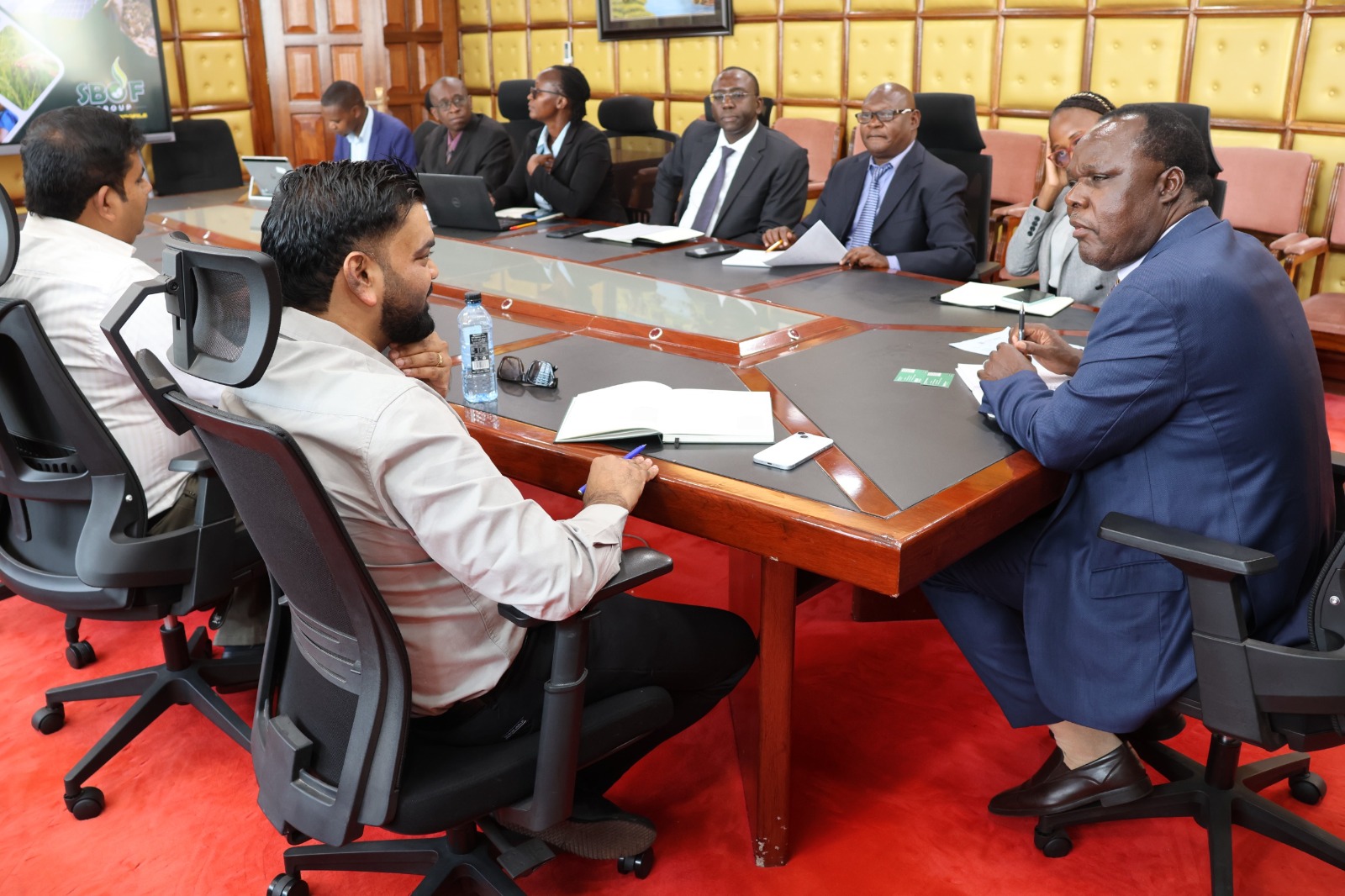
Dr. Mukhwana underscored Kenya’s strong value proposition as the region’s leading manufacturing hub, with over 30,000 manufacturing facilities and a farmer base of approximately 13 million, as well as annual fertilizer consumption of nearly 10 million tonnes, much of which is imported. He noted that local production would enhance affordability, quality, and availability of fertilizers, positioning Kenya as a strategic exporter within the EAC. The PS encouraged SBOF to partner with institutions such as KALRO for product testing and field demonstrations across ecological zones and to utilize NCPB and private sector networks for distribution and farmer training, while reaffirming government support on land availability, infrastructure, and access to raw materials.