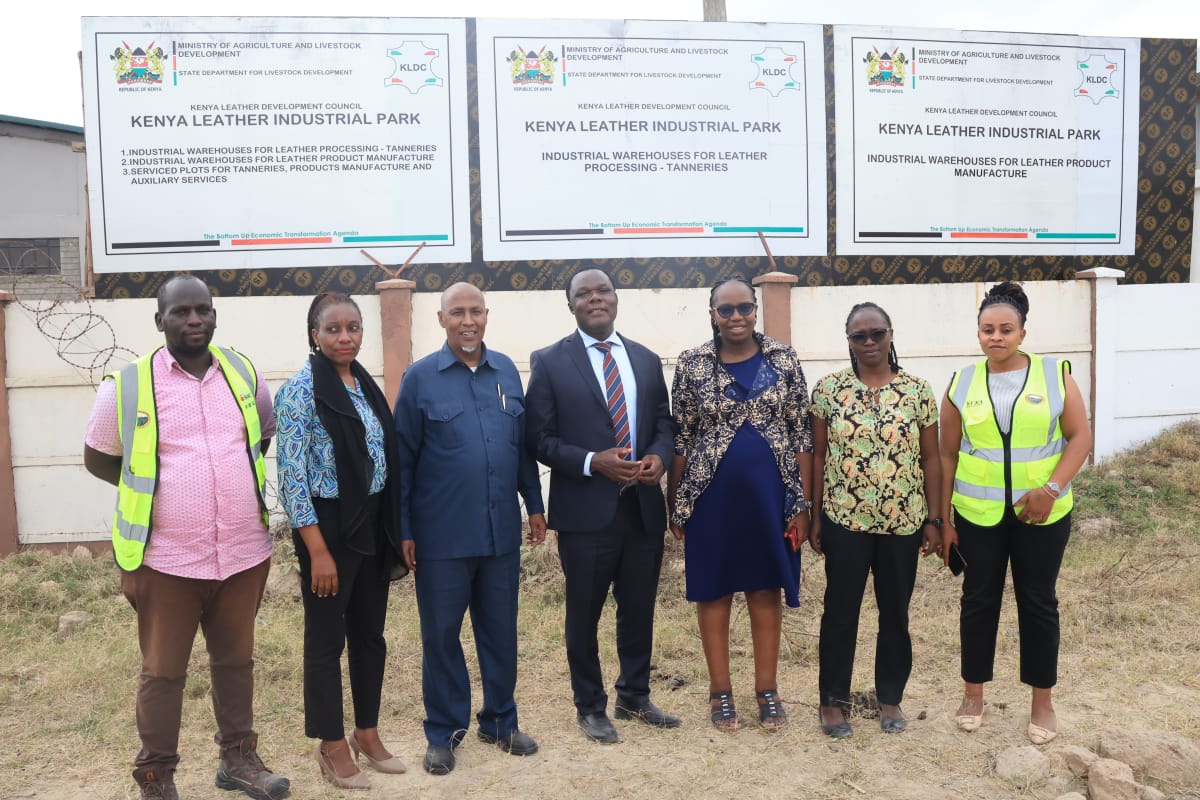
Kenanie Leather Industrial Park Set for Operationalization by December 2025
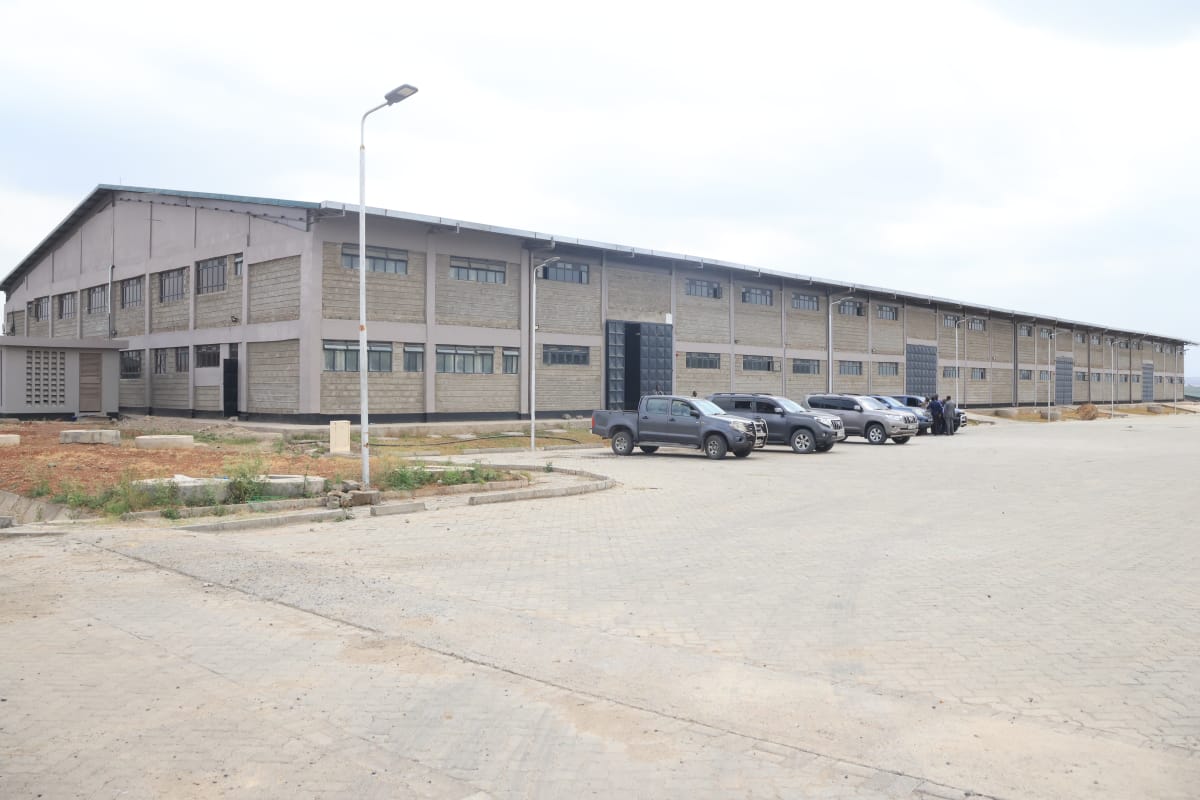
Kenya Leather Industrial Park, located in Kenanie, Machakos County, is now ready for operationalization, marking a significant milestone in the country’s industrial transformation agenda.
Speaking during a visit to the site, Industry Principal Secretary Dr. Juma Mukhwana confirmed that the facility, developed jointly by the Kenya Leather Development Council (KLDC) and the Export Processing Zones Authority (EPZA), is poised to revolutionize the leather value chain.
Dr. Mukhwana said the development of the park was aligned with the Bottom-Up Economic Transformation Agenda (BETA), that identifies the leather industry as a priority area for job creation and value addition.
“This is a major step in actualizing the BETA agenda. The park will help reduce imports of leather products like shoes, as they will now be produced locally,” he said.
The PS also encouraged investors to take up rental spaces in the park, noting the availability of ready-to-use warehouses, utilities such as water, electricity, internet, and ongoing infrastructure works including roads and security.
The park is expected to boost local manufacturing, cut import costs, and create over 100,000 jobs, up from the current 17,000, once fully operational.
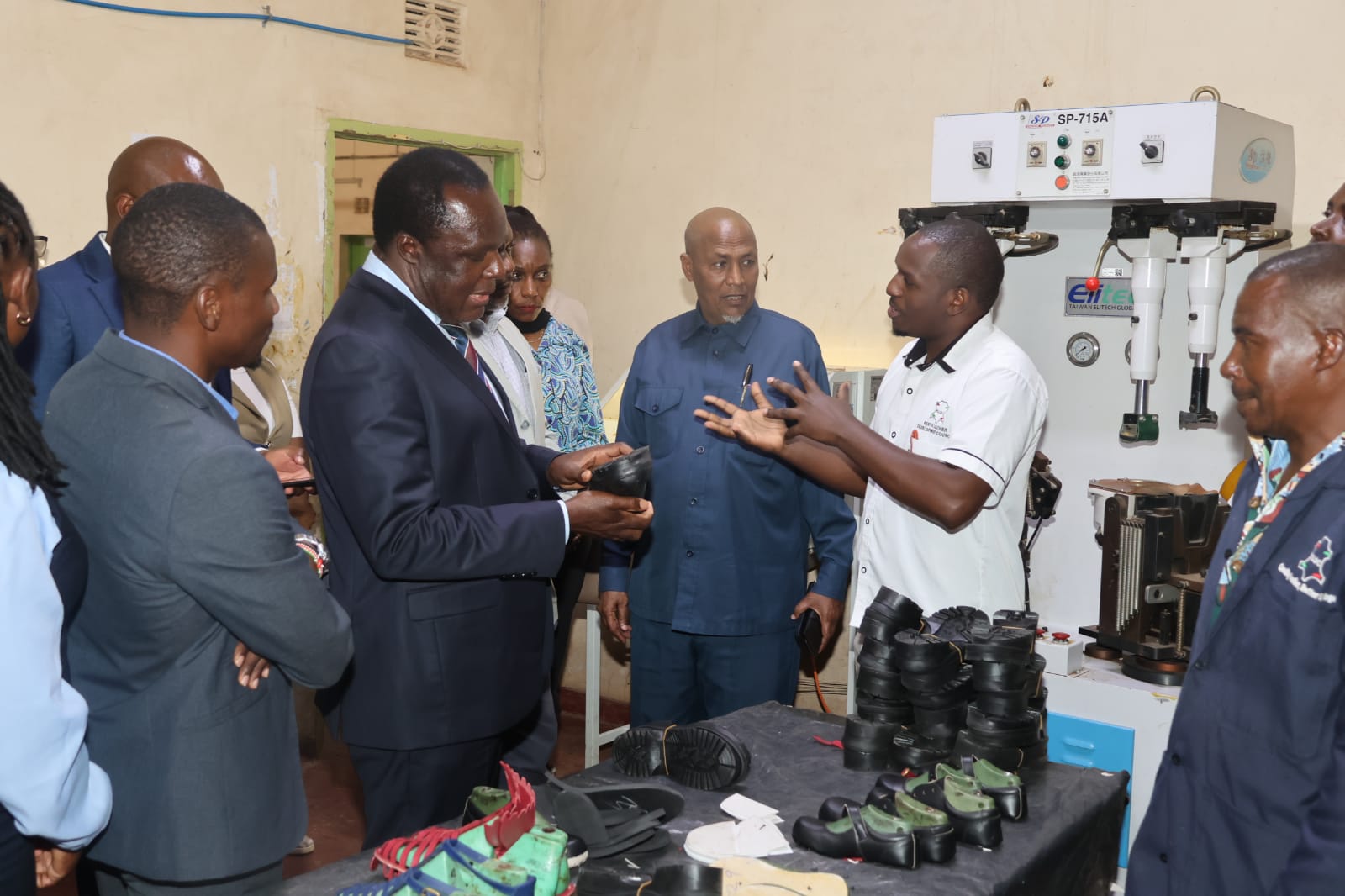
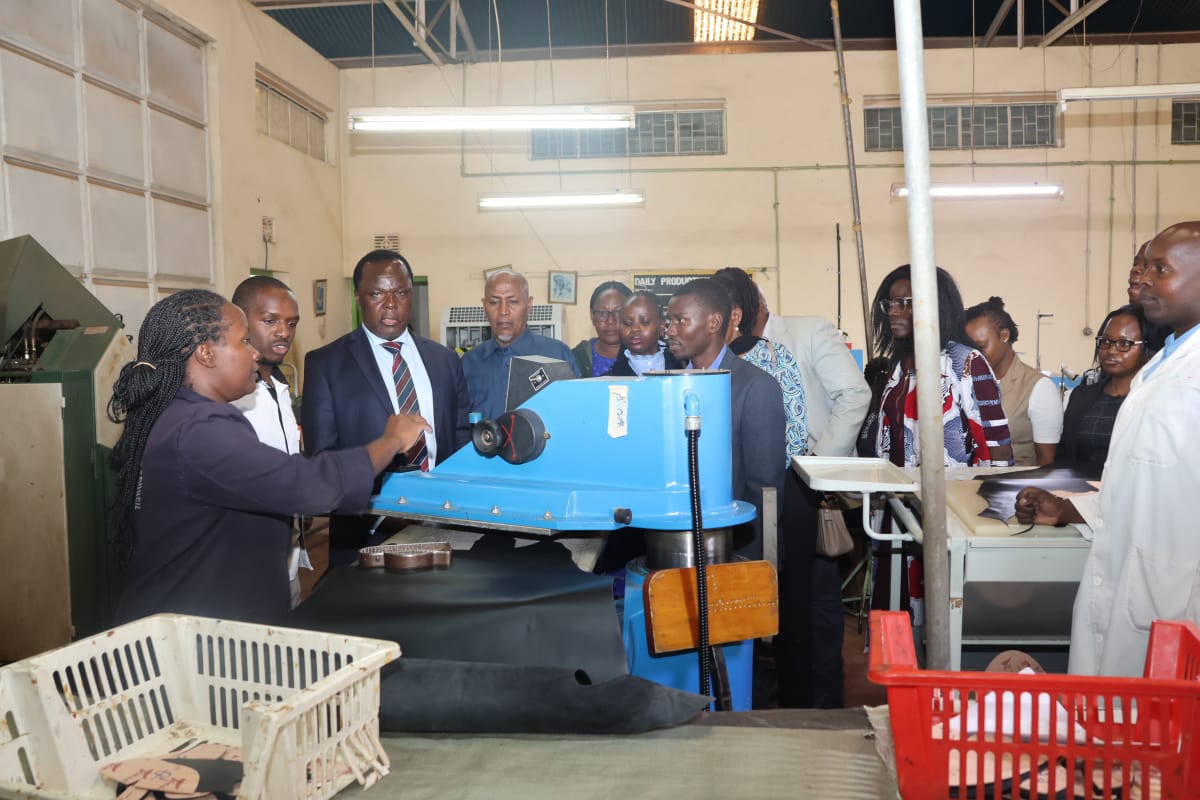
Dr. Mukhwana also toured the Training and Production Centre for the Shoe Industry (TPCSI) in Thika, urging KLDC to collaborate with institutions like KITI to expand technical training in leather processing. He noted that the government is committed to supporting skills development through partnerships, equipment supply, and teacher deployment.
KLDC CEO Dr. Issack Noor, who accompanied the PS during the inspection, said the facility was currently 70% complete, with a complete common effluent treatment plant.
He highlighted that Kenya produces approximately three million hides from large livestock and over 18 million skins from goats and sheep annually, a large portion of which is underutilized or exported unprocessed.
“The leather industry has the potential to grow from generating Ksh 15 billion to Ksh 120 billion annually. With the establishment of this park, we aim to harness that value locally and even surpass Ksh 175 billion through full value-chain development,” said Dr. Noor, emphasizing the need to relocate tanneries into the park and invest in cleaner, efficient leather processing.
In a related effort, President William Ruto recently commissioned a Ksh 1 billion Leather Park in Narok, signaling the government’s broader push to revive and modernize the sector in line with growing domestic and export demand.