
NATIONAL INDUSTRIALIZATION POLICY REVIEW
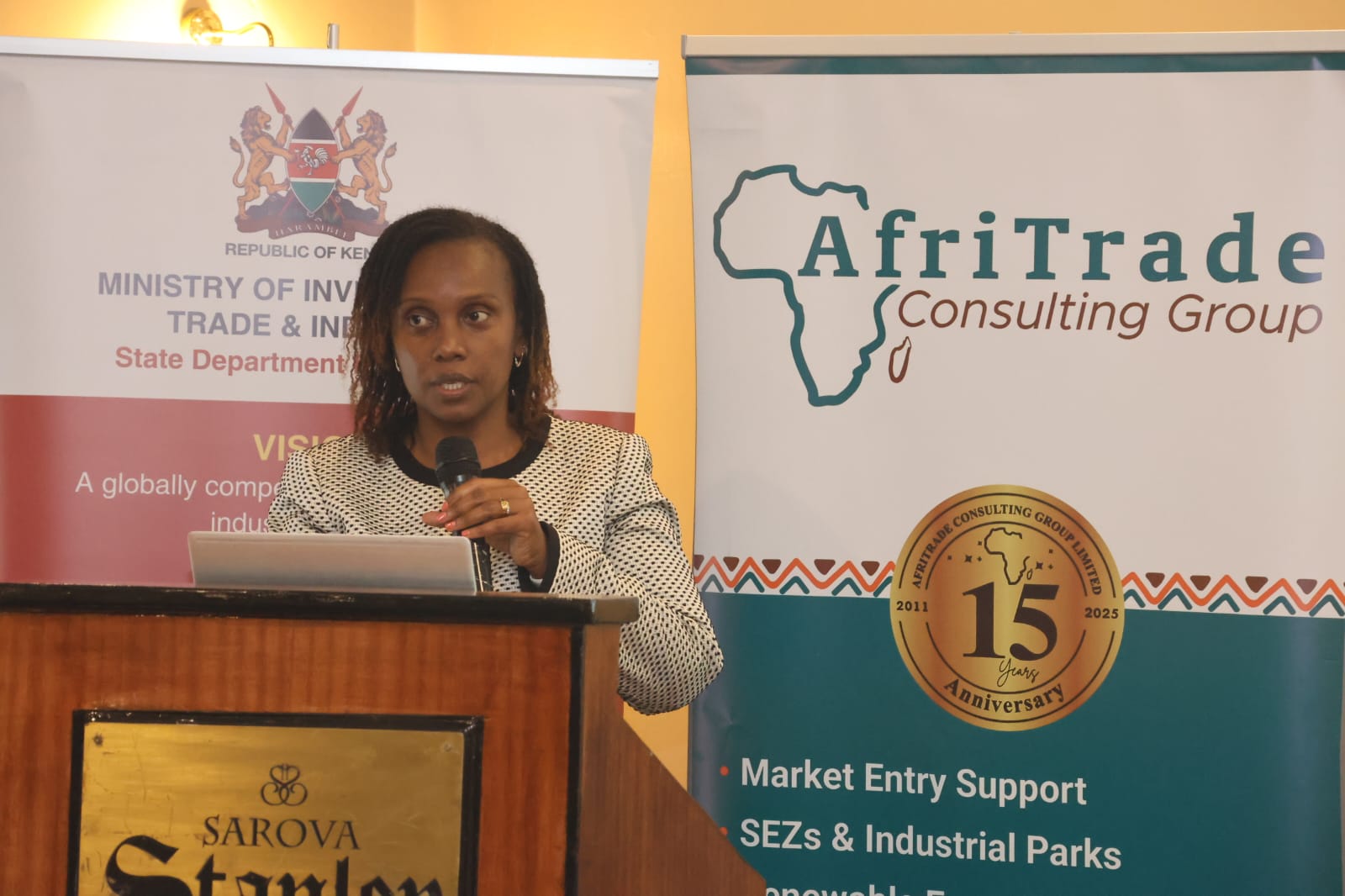
The State Department for Industry, led by Secretary Administration Mr. Karanja Njora, today took part in the validation of the zero draft of the National Industrialization Policy under review.
The changes to the 2012 National Industrialization Policy have been necessitated by global economic dynamics, with the need to capture green manufacturing, technological advancements, and inclusivity as factors that characterize today's manufacturing.
Mr. Njora regretted the low-value raw commodities that characterized Kenyan export basket, calling for a revamped policy to spur value addition.
The Administrator, who represented the PS for Industry Dr. Juma Mukhwana at the event, noted that changes in
governance; regional and global trade dynamics; change in the climatic environment and the information & technology landscape necessitated the change of the 14 year industrial policy.
"Economic realities today, rapidly changing demographics cannot be ignored. Over 3,000 youths demand productive, dignifying, and sustainable livelihoods that only a robust industrial landscape can provide," added Njora.
He also noted that poverty rates persisted at 36.3%, noting "industrialization is the only weapon against poverty."
The process being spearheaded by Director of Industries, Stanley Koske is being undertaken by Global Energy Alliance for People and Planet (GEAPP) and Afritrade Consulting Group, in collaboration with other stakeholders, government agencies and departments.
"We are targeting to have the Draft National Industrialization Policy ready for Cabinet approval in November. "We are seeking stakeholder validation today as we launch the process of drafting a new, the National Industrialization Policy," noted Dr. Caroline Saroni, Afritrade Consulting CEO.
Afritrade's Consultant Mugambi added, "We are looking at Shs.10B set aside as Industrial Development Fund, anchored on the new policy, to address the problem of long-term financing for Micro, Small and Medium Industries, MSMIs.
"These MSMIs continue to characterize the Kenyan industrial landscape, absorbing above of 370,000 in jobs and contributing about 7% to the Gross Domestic Product."
The teams are working round the clock to ensure they delivered on the policy, meant to spur manufacturing in the country to contribute upward of 20% to GDP by 2030.