
Automotive Industry Applauds KSh 13.1 Billion Samurai Bond for Localization
Players in Kenya’s automotive sector have welcomed the Government’s KSh 13.1 billion Japanese Samurai Bond, terming it a significant step toward revitalizing local vehicle manufacturing
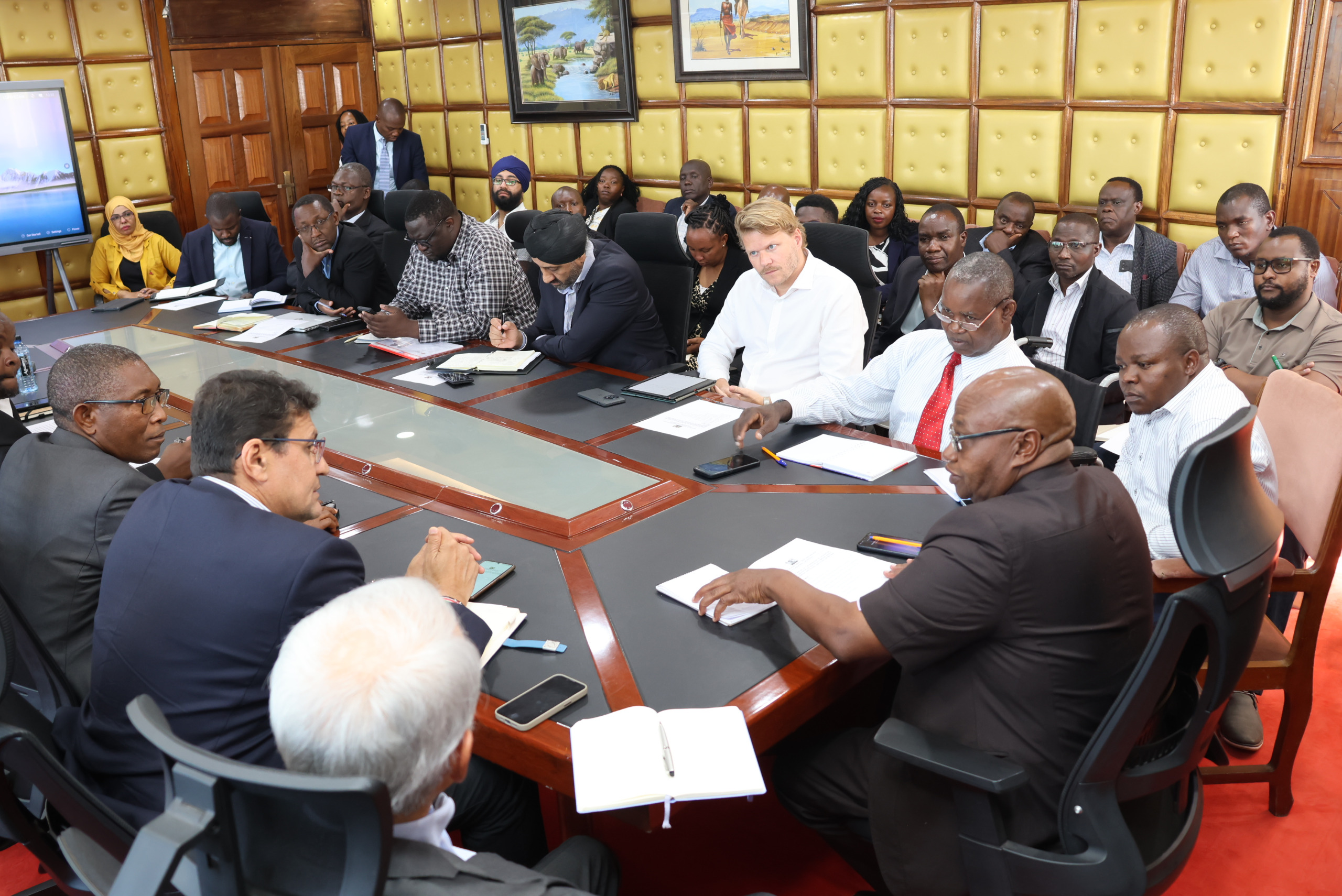
In a meeting chaired by the State Department for Industry, the industry leaders emphasized that increased funding of this nature will help reduce the cost of financing investments and unlock Kenya’s untapped car manufacturing potential.
The stakeholders who included vehicle assemblers, motorcycle assemblers and parts manufacturers under the umbrella of the Kenya Association of Manufacturers (KAM), the academi and national govervenment implementing agencies noted that the funds will accelerate the country’s transition toward full-scale automotive production.
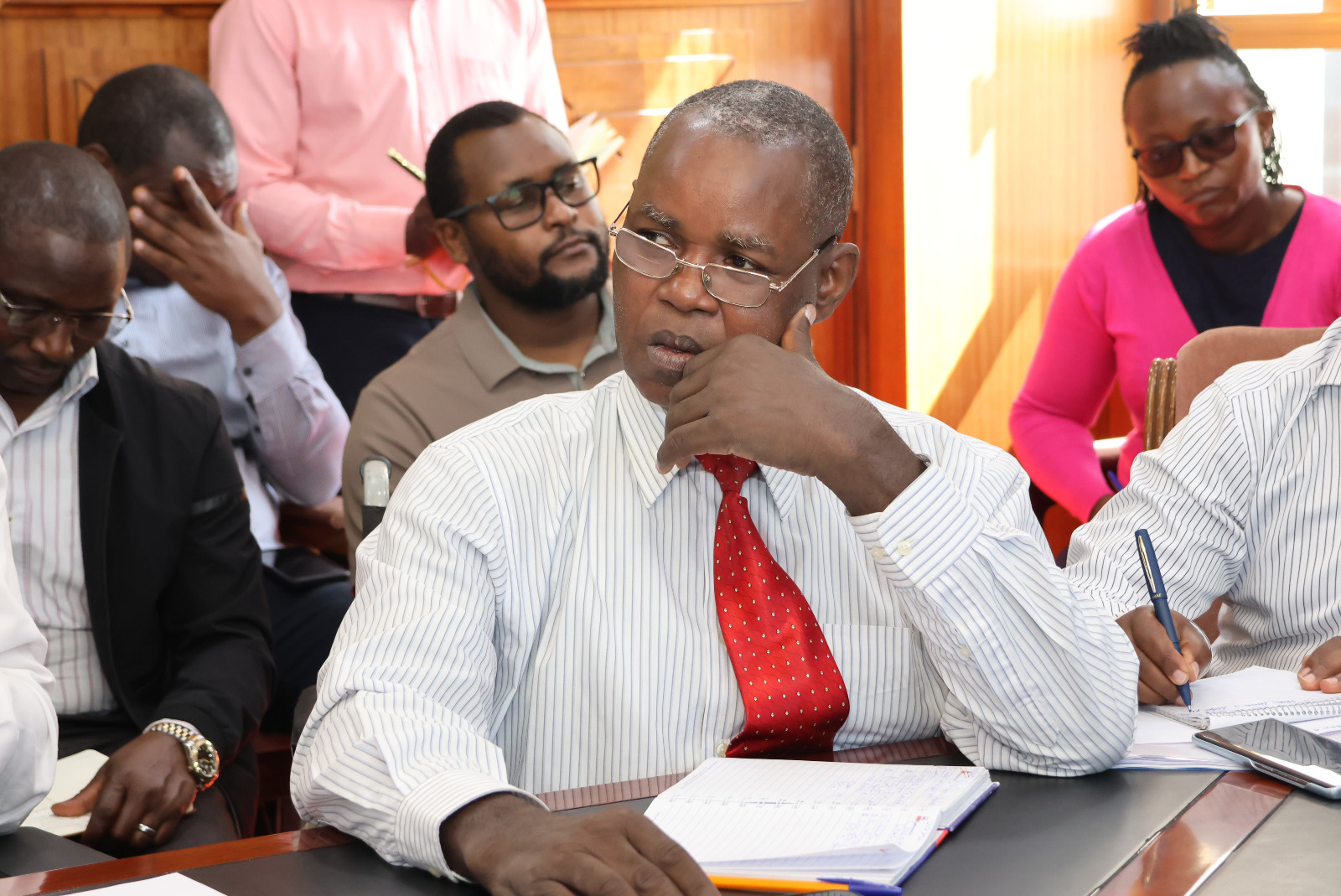
The KSh 13.1 billion Samurai Bond is expected to spur growth in local assembly, manufacturing, and the shift toward electric vehicles (EVs). It will provide critical capital required to move the industry beyond simple Semi-Knocked Down (SKD) and Completely Knocked Down (CKD) assembly toward Level 3 manufacturing and beyond.
Speaking during the recent launch of the locally assembled Isuzu mu-X, Industry Principal Secretary Juma Mukhwana stated, “We believe that mass assembly of high-quality vehicles, such as the mu-X model, will create economies of scale and supply affordable vehicles to both local and regional markets, generating substantial youth employment and value chain benefits.”
The Bond is expected to attract global OEMs to establish regional manufacturing plants in Kenya, while supporting grants and soft loans for local assemblers and parts manufacturers to acquire advanced machinery. Also Technical and Vocational Education and Training (TVET) institutions’ capacities will be strengthened to build a skilled workforce and facilitate technology transfer and bridge technological gaps in the country.
Global Standards and Regulatory Alignment
Stakeholders underscored the urgency of fast-tracking Kenya’s bid to join the UNECE World Forum for Harmonization of Vehicle Regulations (WP.29), a permanent working party within the UN framework that sets global technical standards for vehicle safety, environmental protection, and cybersecurity. Membership would position Kenya’s automotive manufacturing industry to meet international compliance benchmarks and enhance export competitiveness.
Industry representatives also called for stronger enforcement of existing automotive regulations, including Legal Notice 112 (LN112), which requires motorcycle assemblers to localize at least 14 components. While compliance with LN84 and Legal Notice 125 has improved, stakeholders noted that full implementation remains critical to driving meaningful localization.
The manufacturers highlighted quality assurance as a key challenge in increasing local content.
A representative from Isuzu East Africa noted that the company currently utilizes 23 out of the 34 components listed in the local content regulations, in addition to locally available fluids and greases. However, he emphasized that safety remains non-negotiable.
“Safety is a critical component for any manufacturer. We work closely with local suppliers to improve quality standards before approving components for mass production. Commitment to quality and investment in scalable manufacturing are essential for long-term competitiveness.”
Similarly, the CEO of CFAO Mobility Kenya, Arvinder Reel, observed that although 21 locally manufactured vehicle parts were available, only about 50 percent were currently being utilized due to strict quality requirements set by Original Equipment Manufacturers (OEMs).
Stakeholders called for enhanced component certification frameworks aligned to global standards, increased transparency, and a stronger commitment to upgrading local manufacturing capabilities.
Supporting Local Manufacturers and EV Ecosystem
Stakeholders also urged the Government to offer rebates and concessions to local parts manufacturers beyond those currently extended to CKD assemblers as well as firm up tax procedures to accommodate electric vehicles and EV components.
To protect locally manufactured parts, including helmets and other accessories, from unfair competition through cheap imports, the manufacturers called for their inclusion into the regulations, promising to promote evidence-based policymaking through sustained research in the automotive sector.
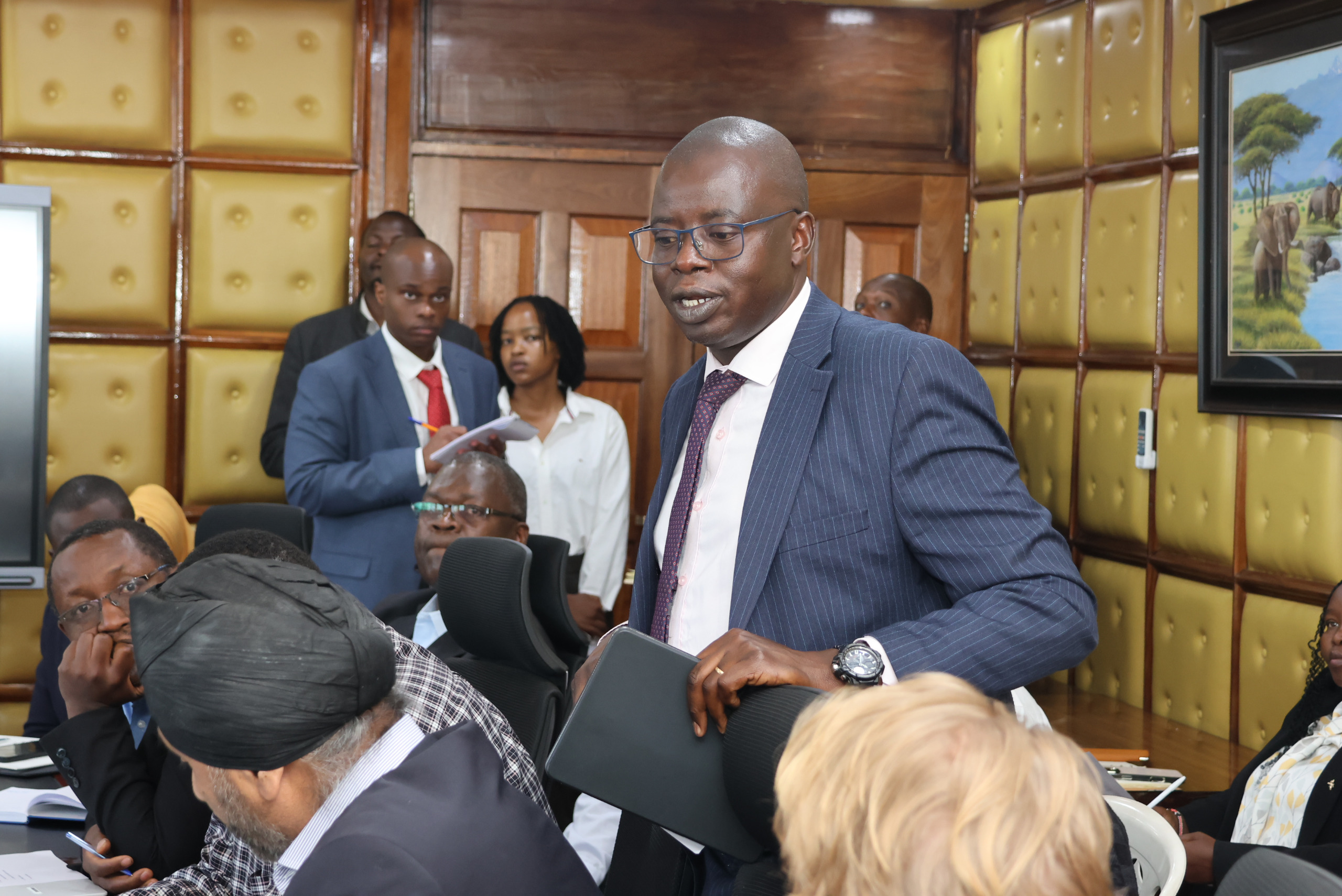
Industry representatives emphasized that stimulating demand was equally critical. Part of the funds will support individuals and businesses in acquiring newly assembled vehicles locally, thereby creating sustainable domestic demand while boosting production capacity.
Competitive and Sustainable Industry
The automotive motor-vehicle assembly industry requires significant capital investment to transition from basic assembly to full manufacturing. Stakeholders agreed that the Samurai Bond provides the critical financial backbone needed to leapfrog technological gaps and build a competitive, sustainable automotive ecosystem from the ground up.
The industry leaders reiterated their commitment to working collaboratively with Government to strengthen standards enforcement, improve quality, and ensure Kenya emerges as a regional automotive manufacturing hub.