Government, Industry Forge for Local Content in Automobile Assembly for Jobs
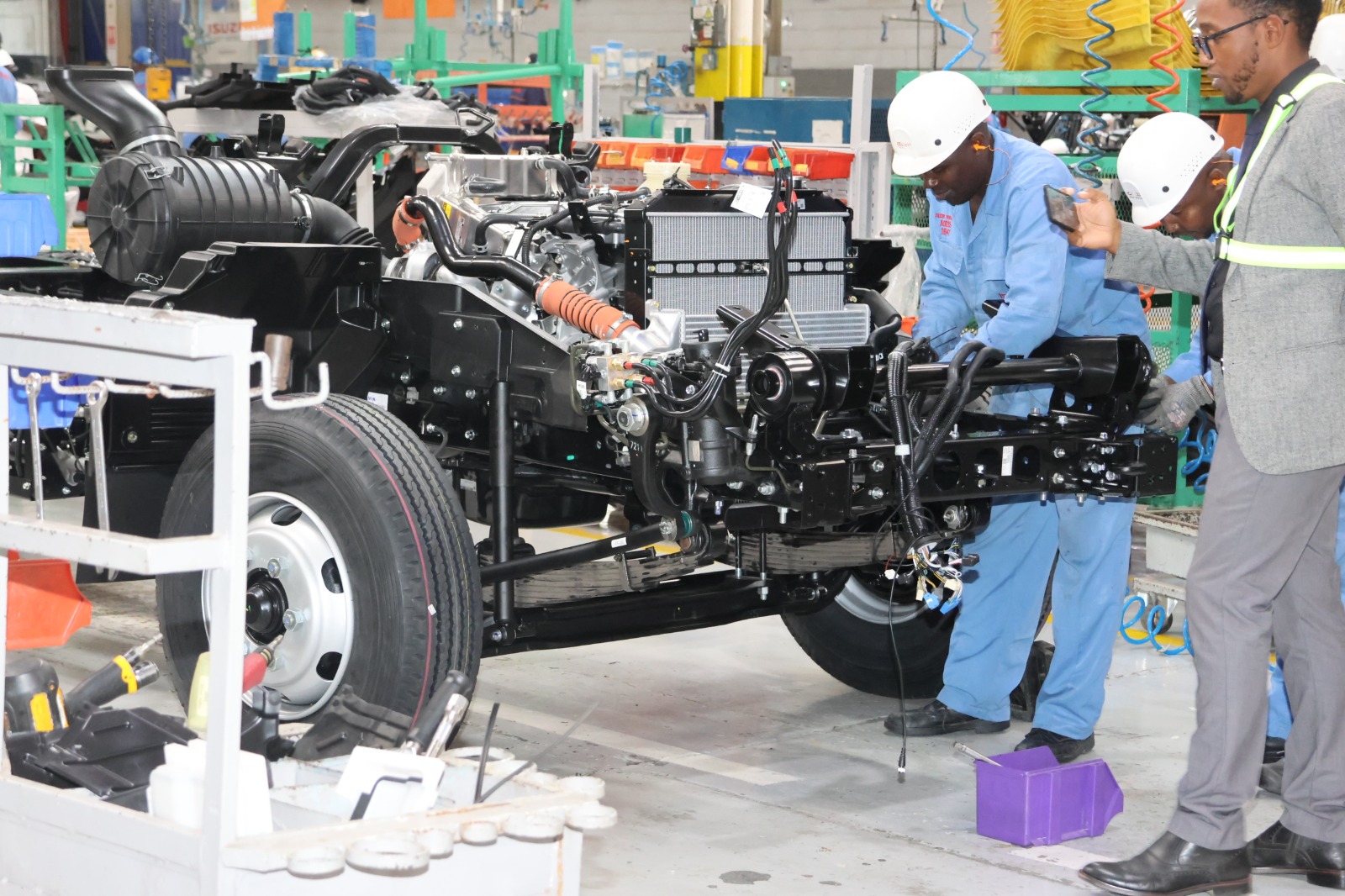
The Cabinet Secretary for Investment, Trade and Industry (MITI), Lee Kinyanjui has urged local assemblers of automotives to utilize locally assembled parts to spur growth in the sector and generate jobs.
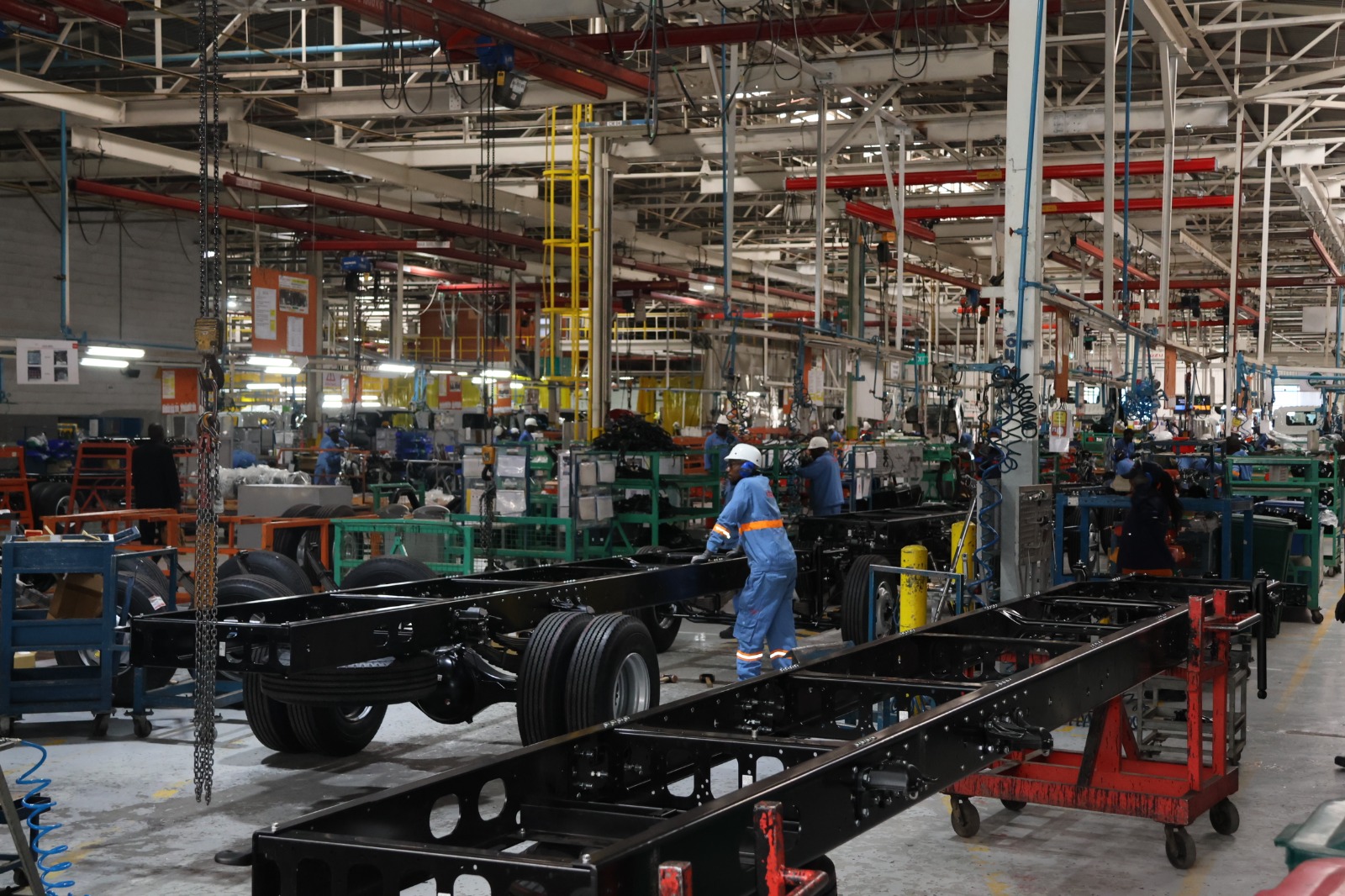
The CS, who committed to fast-tracking the National Automotive Bill, 2022, noted the potential of the sector to absorb up to 50,000 Kenyans, calling on Kenyans to support the policies being proposed to drive more capacity for local manufacturing.
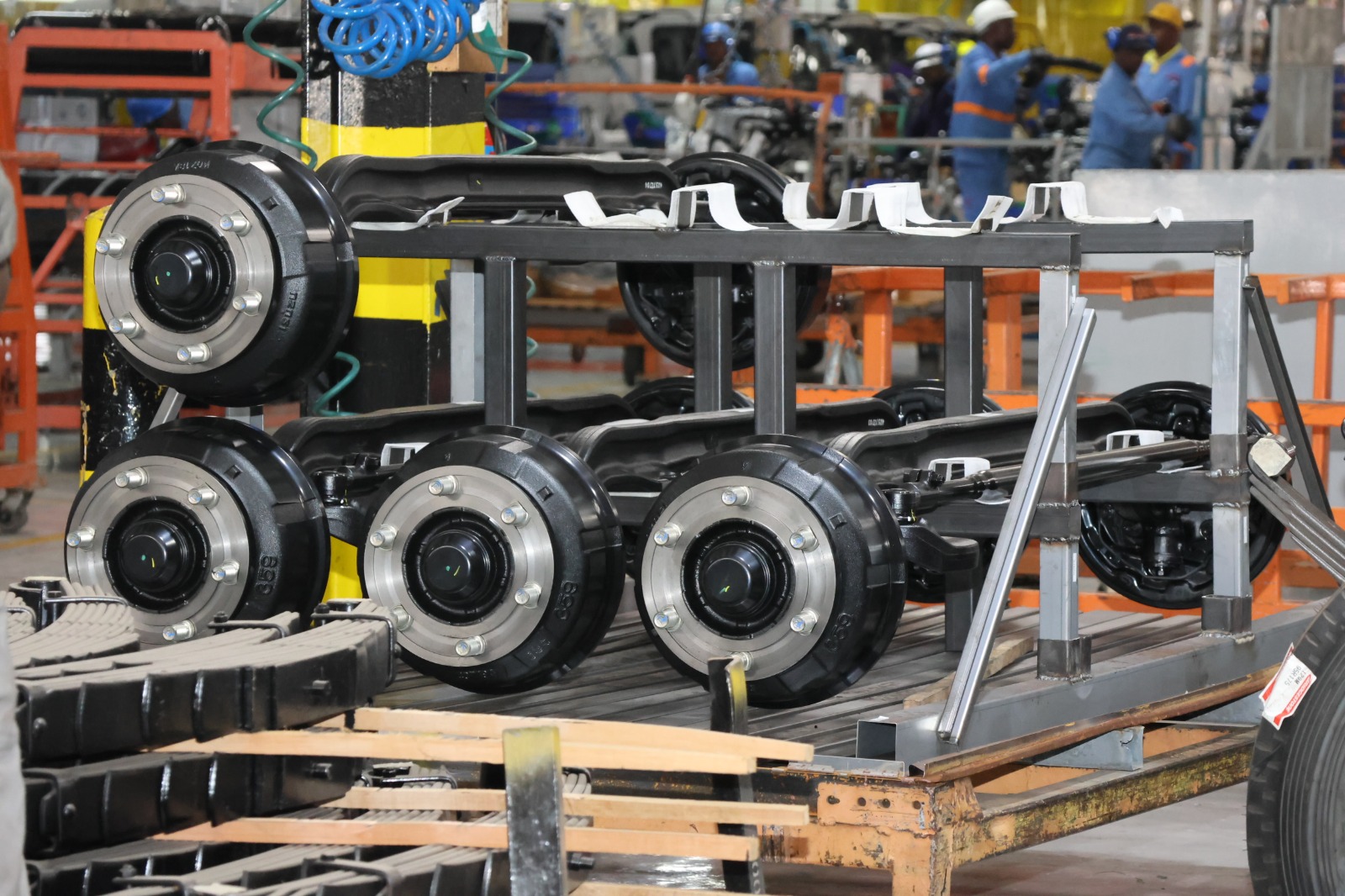
"The Automotive bill will open up the potential of this sector. The loose parts that are being created in this country can create thousands of jobs if upscaled,” he added.
Kinyanjui, who graced the groundbreaking of Isuzu East Africa's Parts Distribution Centre in Lukenya, Machakos County, lauded the commercial vehicles sector for utilizing locally made parts, noting that tax benefits will be extended to the value chain.
“Kenya is an advanced economy that can draw a niche in this sector given the level of technology advancement and years of experience in the sector,” noted the industrialist, assuring of MITI support to the industry.
Also on his entourage, Industry PS Dr. Juma Mukhwana noted the Motor Assemblies and Motorcycle Assembly regulations lacked an Act of Parliament on which they were anchored, necessitating the enactment of the Bill.
The PS also regretted the lack of a policy to regulate the End of Life for vehicles, noted that the Bill would cure the gaps allowing decommissioning of parts, lying idle in yards.
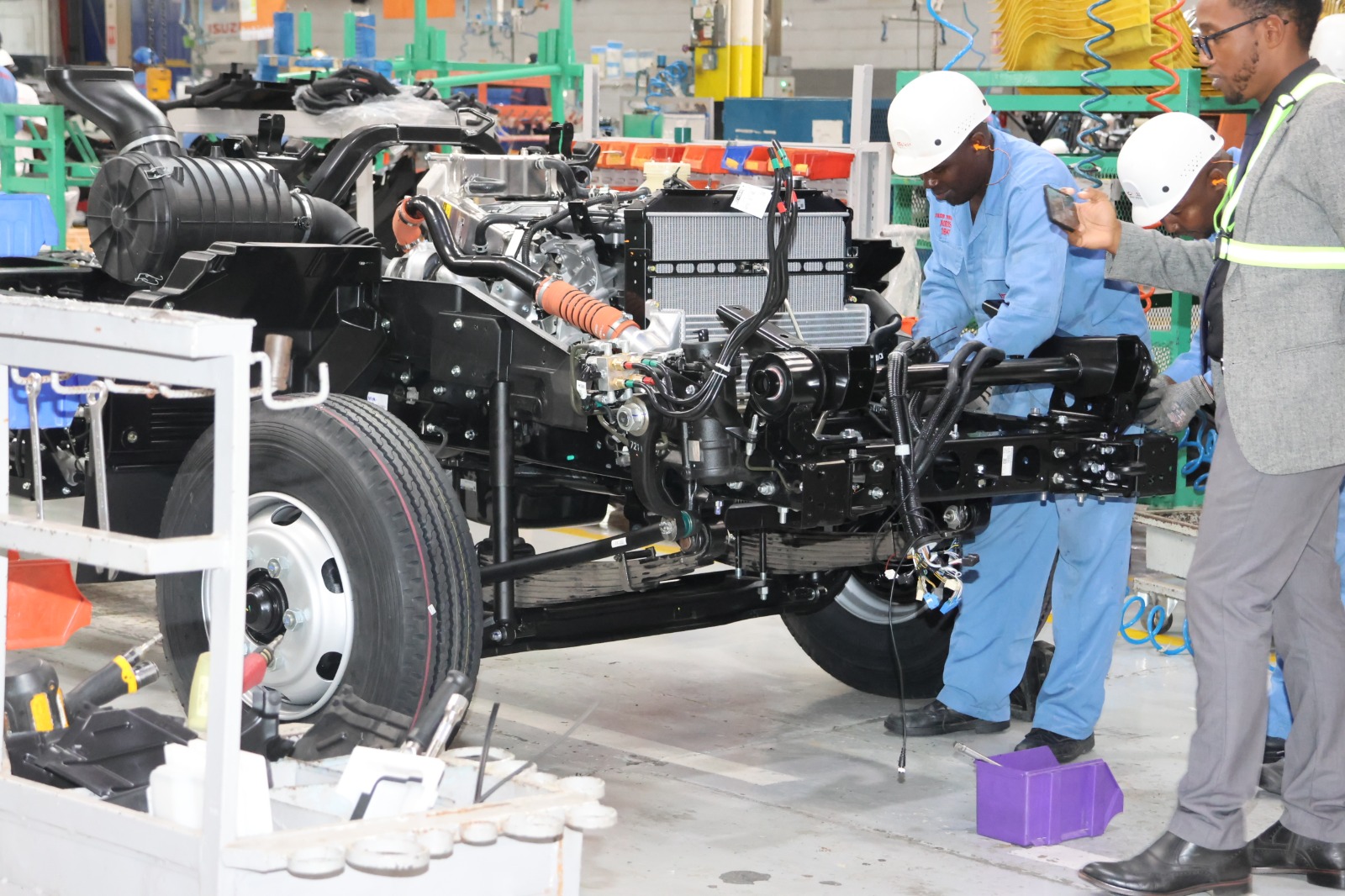
"About 30, 000 vehicles on the National Transport and Safety Authority (NTSA) database that have not been decommissioned that could be used as spare parts and steel supply in the automotive industry.
"The bill also provides for End-of-Life regulation for the industry, which has a multibillion-dollar industry potential," he added, noting that their decommissioning will open up more jobs.
Isuzu Managing Director Rita Kavasha noted the potential for local assembly at 100,000, noting that strong policies, backed up with tax incentives for local content absorption will increase their capacities.
"We are calling for assembly incentives to be extended to local companies to expand their capacities. Also, the anchoring of the KS1515 standards in the policy will mean expanded capacities to meet the demand at 12,000 units up to 24,000 units,” she remarked, calling for a revision of restrictions on imports and introduction of differentiation incentives.
Kenya’s automotive sector is experiencing a significant transformation as technology, environmental priorities and economic development intersect. To monitor, moderate and boost this transformation, the National Automotive Policy was proposed and approved to promote automotive manufacturing in Kenya.
As of now, Kenya is only involved in automotive assembly on behalf of Original Equipment Manufacturers (OEMs) such as Toyota, Volkswagen and Nissan.
The Kenyan government is in partnership with franchise holders such as Isuzu East Africa Ltd, Kenya Vehicle Manufacturers (KMV) and Associated Vehicle Assemblers (AVA) to boost the automotive sector through assembly of automotives locally. This will reduce dependence on importation of used vehicles.
“Incentives and tax regulations such as duty remission scheme have been introduced to regulate importation of some automotive parts such as batteries, radiators, and break fluids among others. This will promote the use of locally manufactured parts hence promoting the manufacturing sector in the country,” added Gideon Oele, director for Engineering and Construction at the State Department for Industry.
The development in technology, Oele said, has also led to the introduction of electric vehicles which will see to the reduction in use of fossil fuels. Their use of green energy will mean a reduction in air pollution hence a safer environment.
“Since Kenya is just piloting in the electric vehicle venture, all the parts are imported and assembled locally. The current regulations are currently being revised to cover the importation of electric vehicle parts since they were not considered in the original regulations.