Expanding jobs creation through cotton value addition
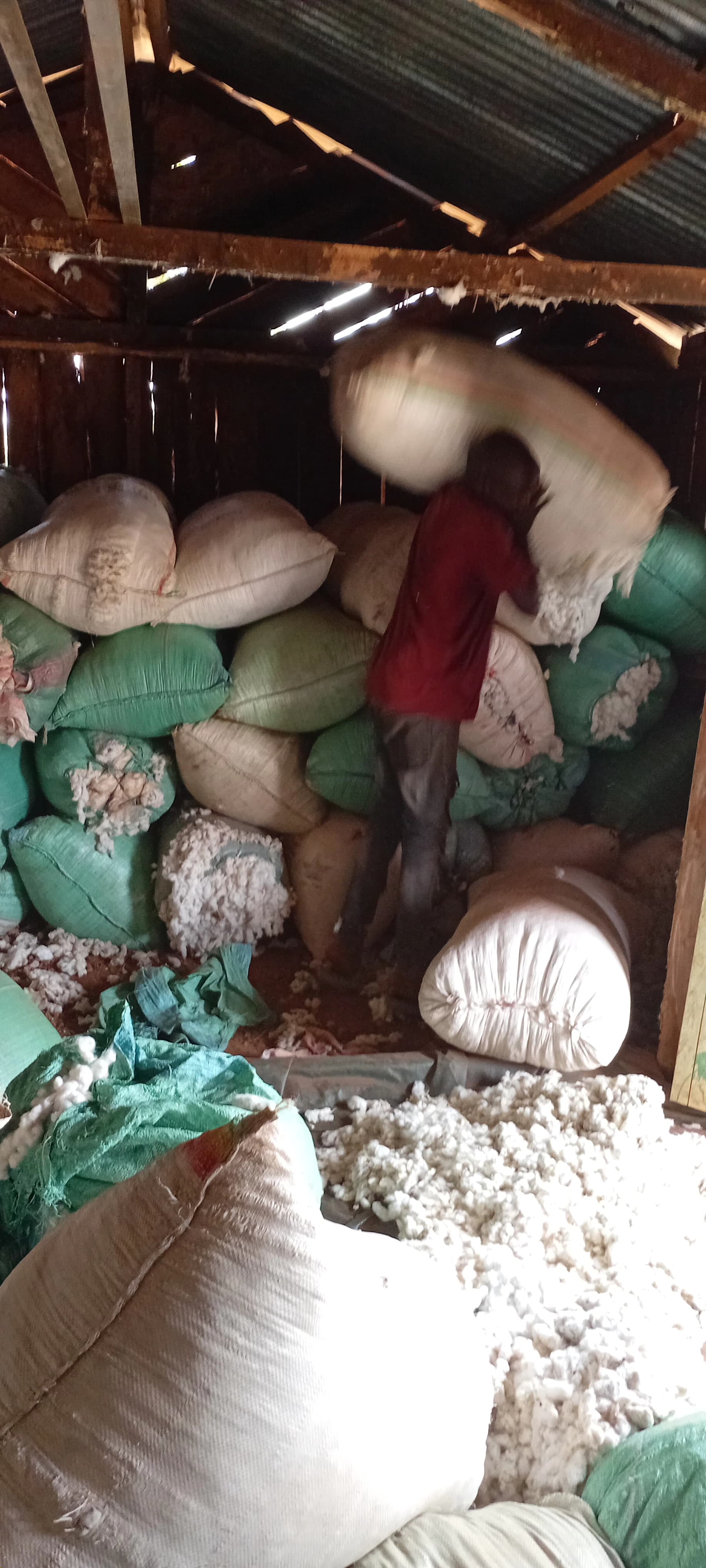
Under the Bottom-Up Economic Transformation Agenda (BETA), the Kenyan government has revitalized the cotton and textile industry through a comprehensive value chain approach. Key interventions include the distribution of improved cotton seeds (including imports from Cameroon and Togo), increased farm-gate prices to motivate farmers, and the modernization of ginneries and textile facilities such as Rivatex and Thika cloth mills.
The government has also developed supportive policies, promoted local fabric use through public procurement, and partnered with counties and the private sector to strengthen production and processing. These efforts aim to boost cotton production, create thousands of jobs, and stimulate rural economic growth across Kenya’s cotton-growing regions.
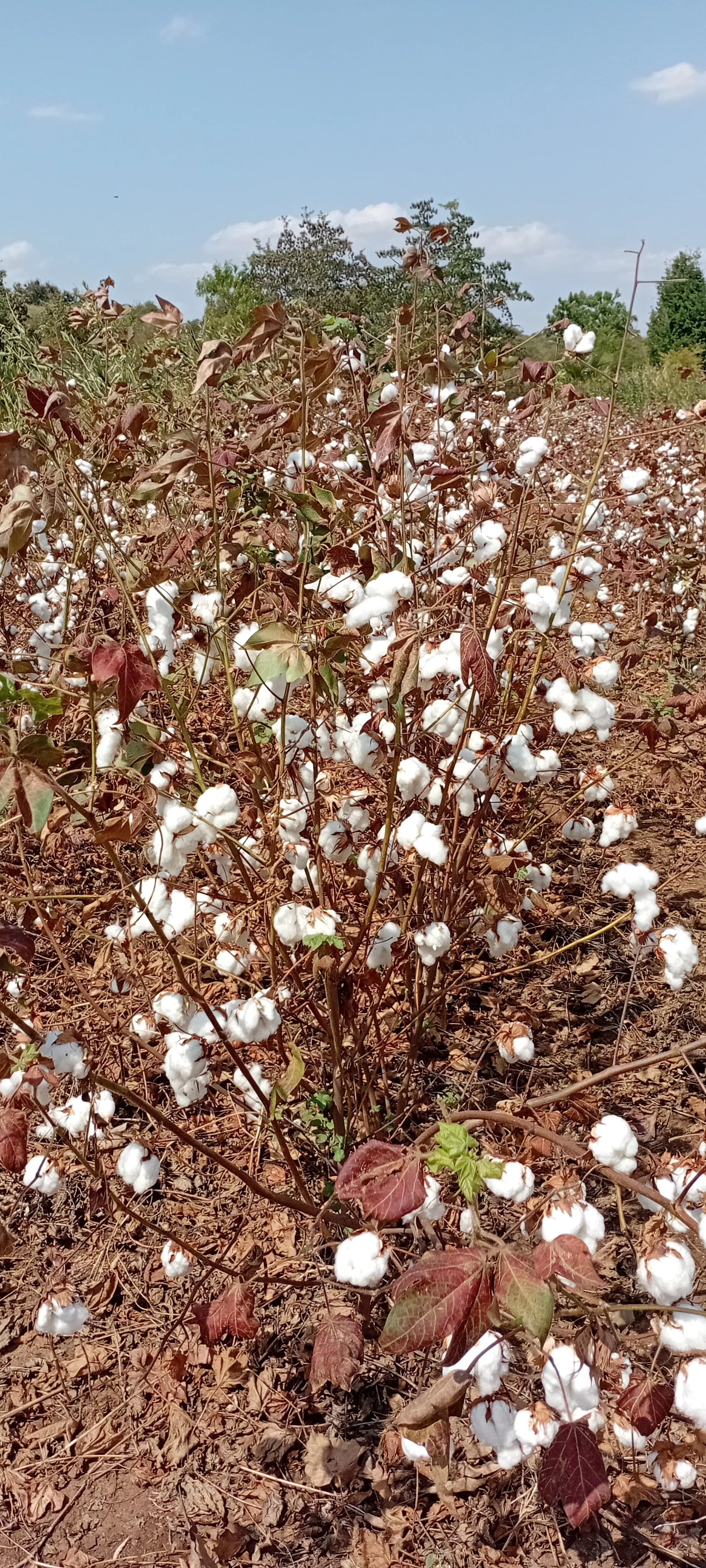
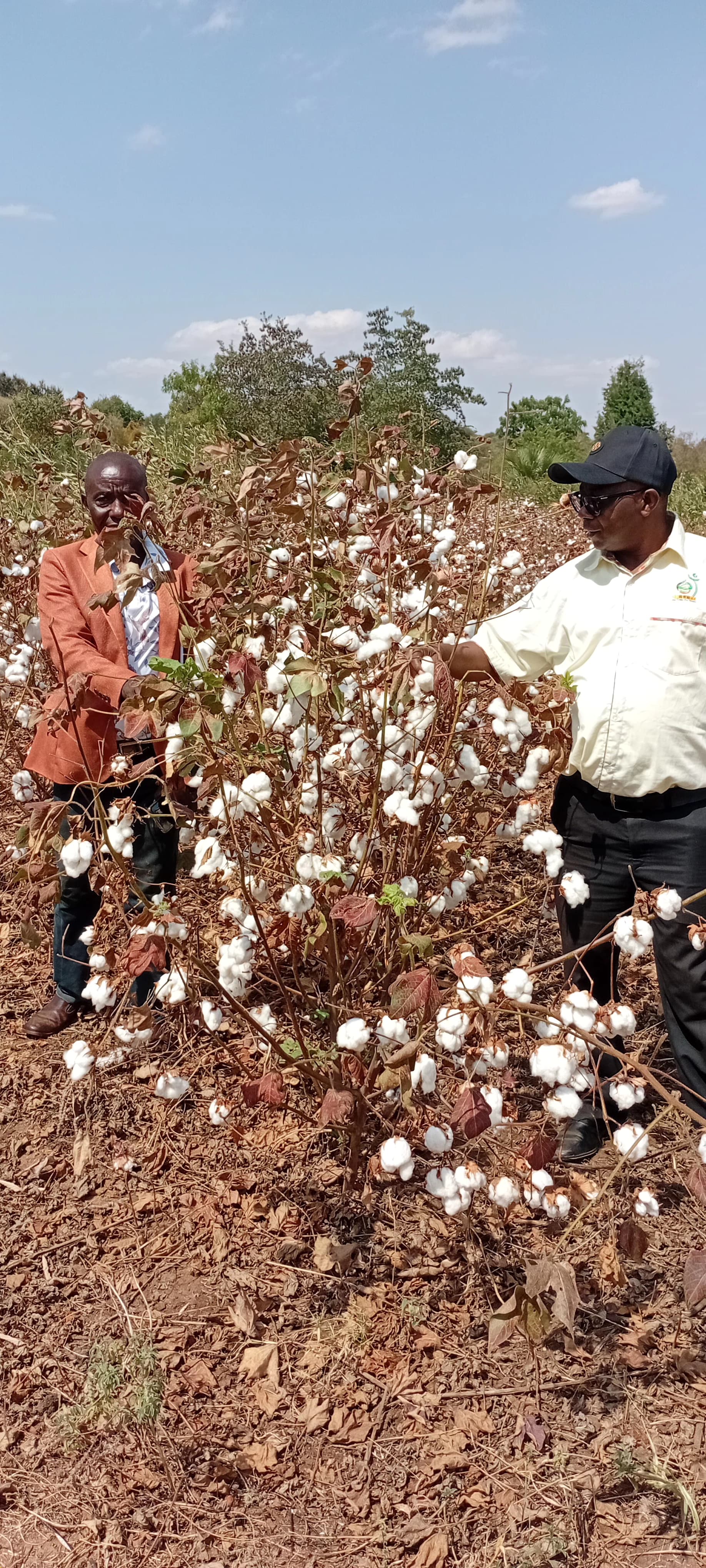
Through the State department of Industry in collaboration with Crop Development, the government has distributed high quality seeds such as biotech (Bt) and Open-Pollinated Variety (OPV) seeds to farmers in multiple counties to boost productivity. So far 8.5 tons of OPV and Bt variety seeds have been issued in 2025 which are conducive for both long and short rains. This will help revitalize the cotton industry and textile production by boosting yields. The BT cotton is resistant to the destructive African Bollworm which significantly reduces the need for use of pesticides which cuts farming costs and retains the quality of the cotton lint.
President William Ruto, rececntly emphasize the government's targeted rollout of BT cotton seeds, aiming to expand across cotton-growing counties. This initiative is expected to significantly boost production, support rural livelihoods, and stimulate textile manufacturing.
“We want to give improved BT cotton seeds to our farmers to enhance the production of cotton so that our farmers can get better returns and develop the textile industry in Kenya in our efforts to improve our industrialization and agro processing,” he said.
Principal Secretary for Industry Dr. Juma Mukhwana emphasised on how poor yield meant we have not paid much attention to quality seed production.
“Our cotton yields per acre have been quite low especially the Open Pollinated varieties (OPVs), which give between 250‑300 kgs per acre and the BT Cotton gives 500 kg per acre. With proper input, a farmer is able to produce up to 1,000 kgs of cotton per acre.”
In terms of value addition capacity, there are three operational integrated textile factories in Kenya, namely Rivatex EA. Ltd, Thika Cloth Mill and Supra Textiles Ltd. They collectively have an installed capacity of 100,000 bales but currently process 48,000 bales (8,8840MT), which is about 48% of installed capacity.
It should also be noted that in the whole of Africa, Rivatex has the only latest state-of-the -art machinery which has enabled the company to significantly increase its production capacity and improve efficiency. In an effort to support the Cotton, Textile and apparel industry, the government has also set up several parks such as Oserian Industrial Park in Naivasha, a sustainable textile and apparel park under development with access to geothermal and solar energy at competitive rates.
There are also Special Economic Zones (SEZ) in Dongo Kundu which is a public SEZ enjoying preferential custom rules and reduced taxation standards. Dongo Kundu SEZ is being developed with modern infrastructure such as roads, water, power and waste management. it will include a free port, industrial parks and logistics hubs, ideal for vertically integrated cotton value chain. The zone can support ginning, spinning, weaving, dying, and garment manufacturing. It also encourages local value addition and reduces reliance on imported fabrics or processed textiles.
The 2024 National Cotton, Textile and Apparel (CTA) Policy outlines a comprehensive strategy to expand employment across the cotton value chain by scaling up cotton farming, revitalizing ginneries and textile factories, and supporting micro, small, and medium enterprises (MSMEs). It targets increasing cultivated acreage, improving seed access, and modernizing processing facilities to create thousands of direct and indirect jobs, particularly in rural areas.
The policy also emphasizes capacity building, tax incentives, and integration into export markets like Africa Growth and Opportunity Act (AGOA), aiming to generate up to 200,000 jobs across production, manufacturing, and support services as part of Kenya’s broader industrialization and economic inclusion goals.
The PS noted that this policy will serve as a critical tool to streamline the country's cotton production processes while addressing long-standing challenges in the ginnery industry.
"The government plays a crucial role in the development of policies that foster the growth of key sectors, including cotton production," PS Mukhwana added. "This policy will not only boost cotton production but will also tackle issues faced by the ginneries, for instance procurement of machinery”.