
CAIPs Implementation Committee Champions for MSMIs Growth, Sustainability
The government should promote and integrate Micro Small and Medium Industries (MSMIS) into County Aggregation & Industrial Parks (CAIPs) to increase industrialization in the country.
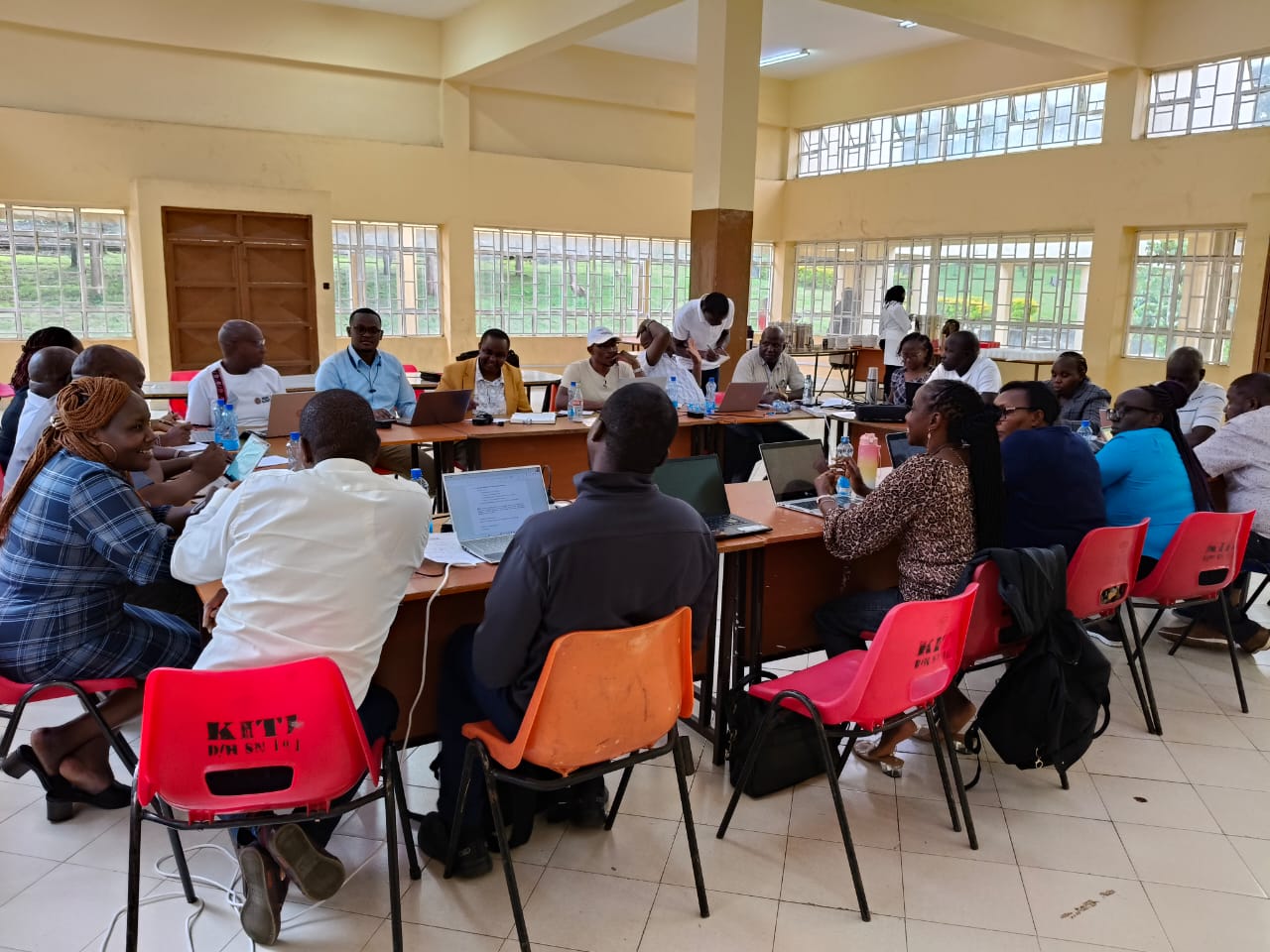
The National Technical Committee on CAIPs sitting in Nakuru heard the need to strengthen quality assurance and standardization measures to ensure Kenyan products from the CAIPs compete globally.
Industry Principal Secretary DR Juma Mukhwana, who spearheads the committee, encouraged investors to invest in the already running CAIPs. “It is no enough for you to construct a CAIP, you must turn that Ksh. 500 million investments into production,” he said while addressing the Committee in Nakuru.
The growth and sustainability of MSMIs will increase with investments into the CAIPs.
The committee seeks to review the Industrialization Policy through a consultative process by December 2025, finalize the draft guidelines and framework for operationalization of CAIPs by August 2025, develop bankable investment projects and assess the enabler services ready for operation of CAIP for instance roads, energy and water.
The team was to also develop proposal for extension services and frame mobilization strategy, design M&E framework for CAIP and propose strategies that will enable digital dashboard for CAIP.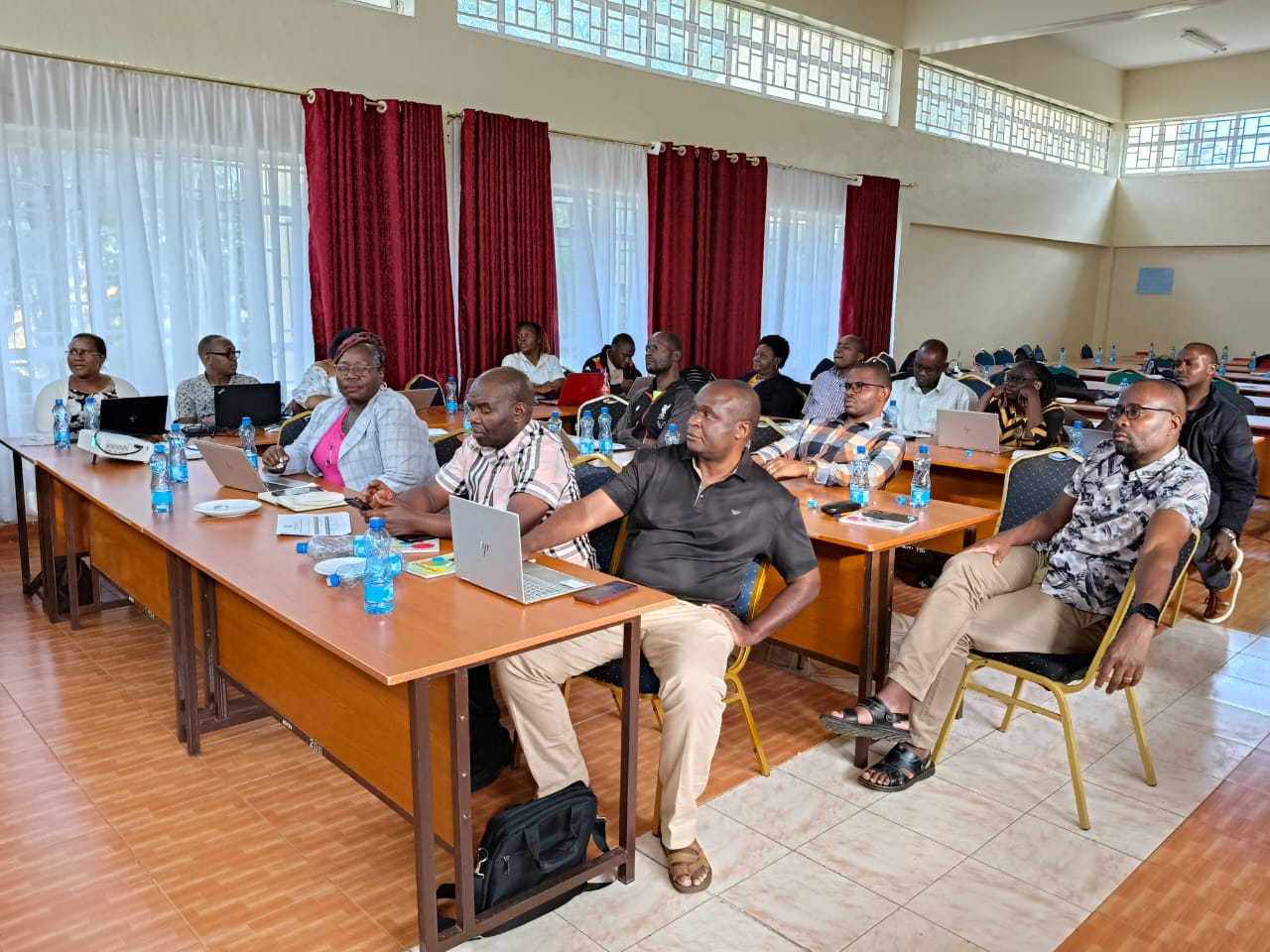
The committee proposed measures to have the policy bridge the gaps between MSMIs and large industries for growth, noting that CAIPs would form a basis on which the industries will thrive.
“Apart from creating an environment where Intellectual Property Rights are protected, there is also need for market linkages and structured cross boarder trades to empower the MSMIS. The developed policy is expected to also bridge the gaps between MSMIS and large industries to encourage growth and sustainability,” added County CEC Caucus Chair,
Through the policy, the government will promote structured academia–industry collaboration to strengthen research, innovation, and technology transfer for industrial development. It will also support coordinated national innovation frameworks to foster industrial competitiveness and drive knowledge-driven economic growth. This will enhance the protection and commercialization of intellectual property to incentivize innovation and support knowledge-based industries.
Through incubation of ideas business ideas will be nurtured to ensure that they are studied and tested in small-scale settings (labs or pilot plants) to evaluate their practicality, cost, and impact. CAIPs will provide a safe space for entrepreneurs, farmers, and innovators to test and refine new value-addition methods and production techniques, before investing on them. This will enhance production of quality market-ready products. CAIPs will also support incubation by offering technical support, mentorship, and training to MSMIs. This will give the necessary push to startups by building their skills.
Operational, CAIPs are expected to create over 10,000 jobs per county, boosting value addition in agriculture and expanding market opportunities for MSMEs. With the shared facilities model for agro-processing, these CAIPs will strengthen the link between farming and manufacturing. Additionally, the introduction of Aggregation Zones will help small-scale farmers consolidate their produce, ensuring consistent supply for processing and export. At these zones, products will be sorted, graded, and stored before distribution, improving efficiency and market readiness.
To further enhance MSMEs, the government was encouraged to continue investing in capacity-building programs, including paid internships and industry attachments for graduates. This way, training institutions will be expected to expand, in addition to deploying qualified pesonnel to enhance skills development. Through these measures, Kenya aims to drive industrial growth, create employment, and enhance economic competitiveness by leveraging the full potential of CAIPs and MSMEs.
Ends….