CAIPs Transform Central Kenya into a New Agro-Industrial Powerhouse
Central Kenya is rapidly emerging as Kenya’s new agro-industrial growth corridor as County Aggregation and Industrial Parks (CAIPs) move from construction to operationalization.
Efforts have shifted from exporting raw produce to building structured aggregation, processing and value-addition hubs designed to increase farmer incomes and stimulate rural industry, as envisaged by the Bottom-Up Economic Transformation Agenda (BETA).
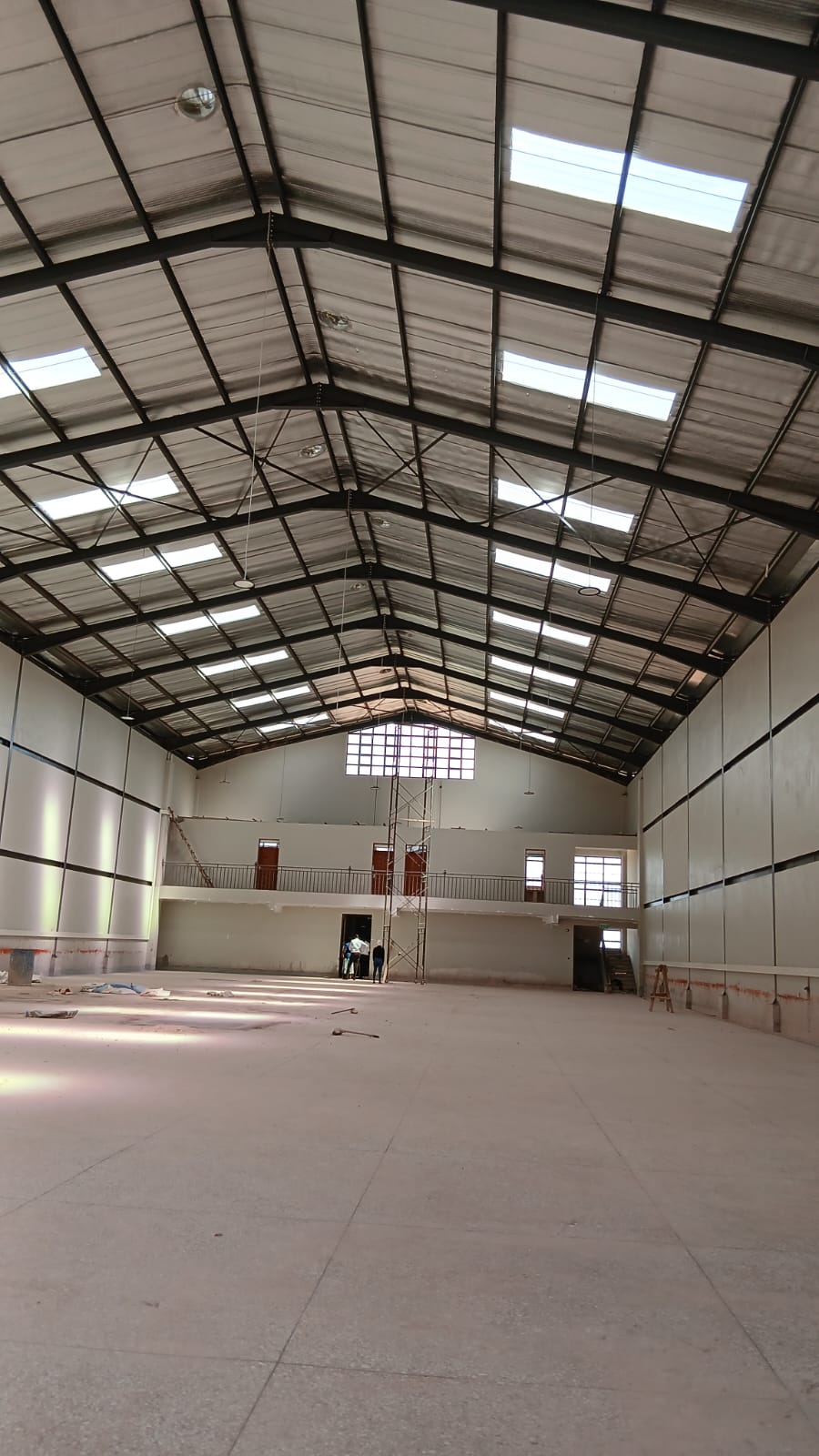
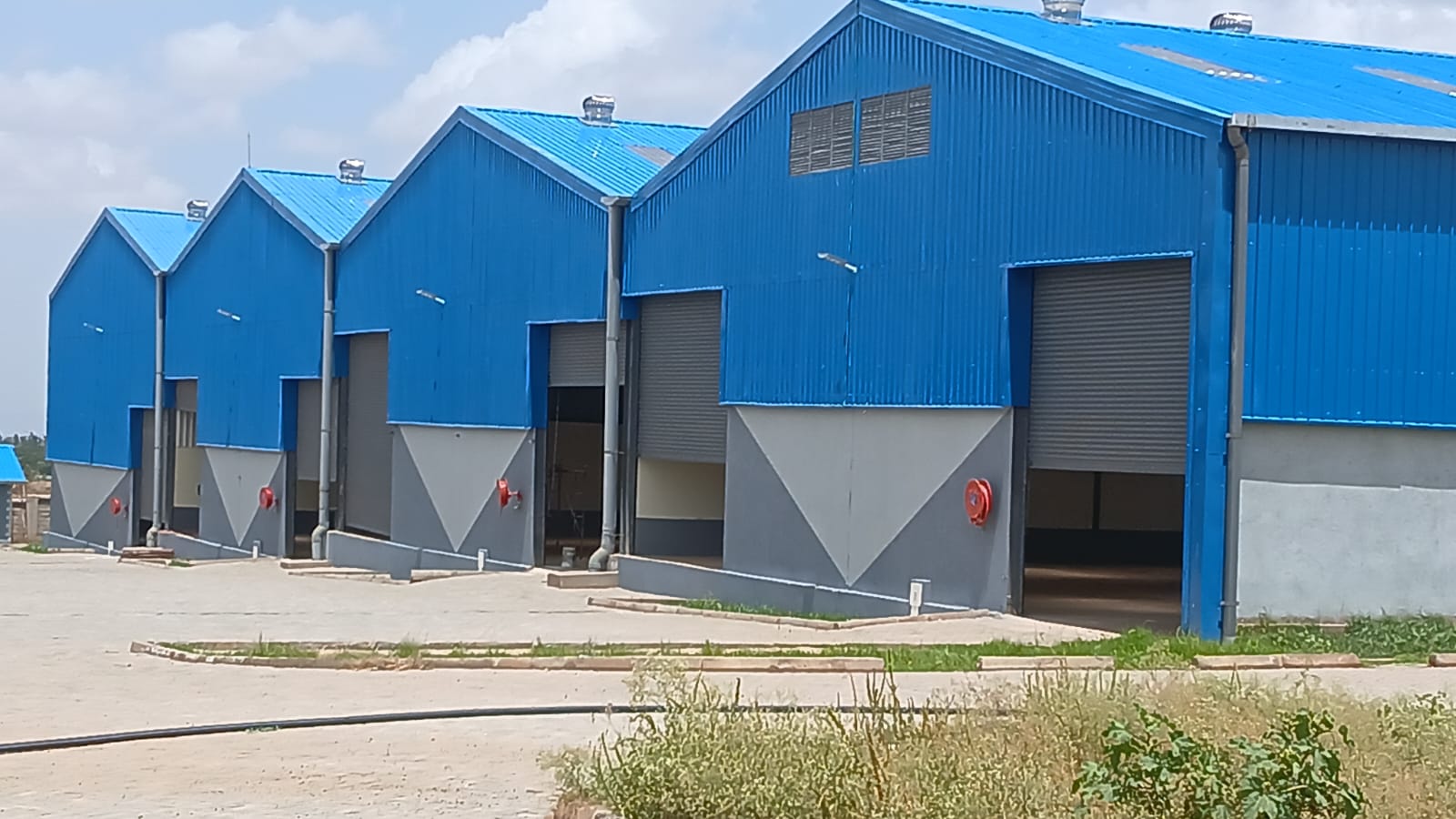
Leading the pack is Meru County, whose CAIP stands at 98.99 per cent complete and is scheduled for launch in mid-March. Constructed at a cost of KSh 492 million, jointly financed by the National and County governments, the project's eight warehouses will serve as cold storage, processing hubs, and storage facilities for macadamia, banana, avocado, and miraa, among other crops grown in the region.
County Executive Committee Member for Trade Rev. Caroline Kaberia, who received the monitoring and evalution team, noted that the Meru County Investment and Development Corporation had been established to manage the facility,
“We have called on investors to express interest, though we already have some like NutriNuts and Fruits Company, whose onboarding is at an advanced stage. The company has been mobilizing macadamia from cooperatives and farmer groups and will start processing as soon as it finishes the installation of machines that are already in the country,” noted Kaberia.
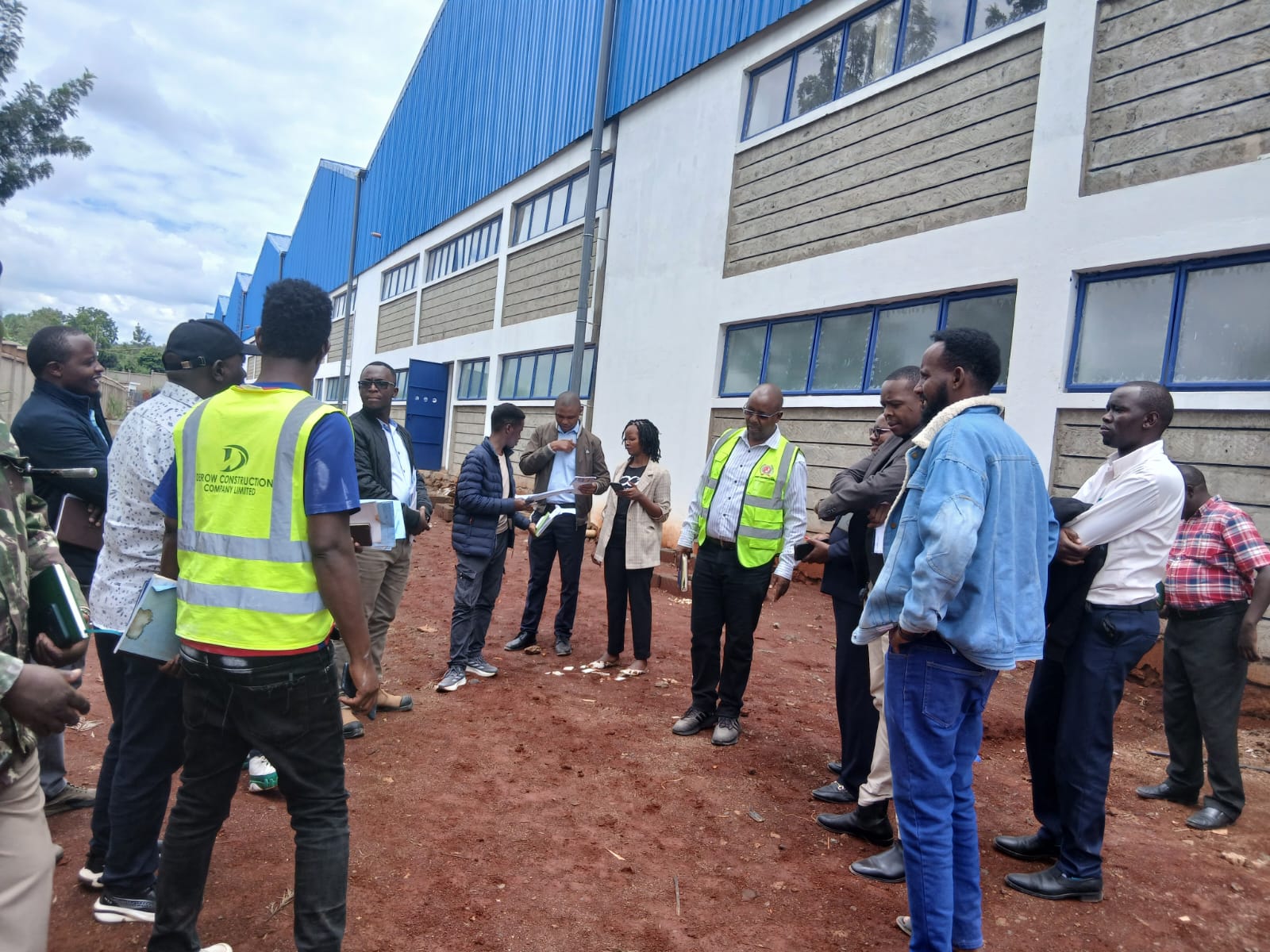
Closely following Meru is Kirinyaga County, where the CAIP in Kariti Ward, Sagana, is 86 per cent complete. As a Phase One county, Kirinyaga received full counterpart funding, including KSh 250 million from the National Government, enabling accelerated implementation and strong intergovernmental coordination.
Investor confidence has been remarkable, with 59 investors expressing interest in the park’s eight warehouses. The high demand has prompted expansion, with two additional industrial sheds under construction, a clear indication that the private sector sees commercial value in county-based agro-processing.
“This is a one stop shop for both local and foreign investors seeking aggregation and processing of tomatoes, avocado, coffee and macadamia” added Calbert Njeru, the CECM for Trade in the county, noting that the Sagana Industrial Hub that also hosted the Special Economic Zone, was a game changer for the county
Kiambu County remains an early benchmark for rollout efficiency. Benefiting from timely funding and proximity to Nairobi markets, Kiambu’s CAIP supports strong dairy, avocado and horticulture value chains. Once operational, the industries are expected to absorb n up ward of 50, 000 in jobs in addition to other livelihoods supported across the value chains.
Embu county, too, has its CAIP at Machanga at its final stages. Already an investor has moved in to take up spaces for wood products, with a number expressing interest in mangoes, green grams and avocado.
“We are committed to see the project move to the operationalization stage as this is the ultimate point where our farmers will benefit more. We have an investors conference planned later this year to bring together interested parties to see how they can synergize towards full operation,”
Meanwhile, Nyeri County (coffee, tea, dairy, potatoes), Nyandarua County (potatoes, cabbage, peas), Murang'a County (avocado, coffee) and Laikipia County (beef, maize, horticulture) are at varying stages of development, reflecting both agricultural strength and value addition potentials.
At their core, CAIPs are designed to raise manufacturing’s contribution to GDP , a key national target under Kenya’s Vision 2030, by anchoring agro-processing within counties. Instead of exporting raw coffee, macadamia, potatoes or milk, counties will increasingly process, package and brand products locally, capturing greater value within their economies. This will also enhance traceability of products, allowing consumers to appreciate the diverse endowment that Kenyan products have.
“We are looking forward to a situation where these CAIPs are networked with data on volumes available for processing and sale, available to investors seeking Kenyan products. This will create an ecosystem where off-takers will easily access information on available quantities,” Murang’a Deputy Governor David Munania remarked.
The parks are intended to serve as hubs for agricultural aggregation, storage, sorting, processing and light manufacturing. By strengthening linkages between farmers, agro-processors, markets and exporters, CAIPs reduce reliance on middlemen and create structured market systems that offer farmers more predictable pricing and demand.
Cold storage, grading centres and modern warehouses are expected to significantly cut post-harvest losses, which have historically eroded farmer earnings. Through value addition — whether processing tomatoes into paste, macadamia into packaged nuts, milk into dairy products or potatoes into branded products — counties can enhance competitiveness in domestic and export markets.
Beyond infrastructure, CAIPs are positioned as engines of grassroots transformation, expected to create jobs for youth, expand market access for smallholders, stimulate SME growth in logistics and packaging, and build resilient local economies.